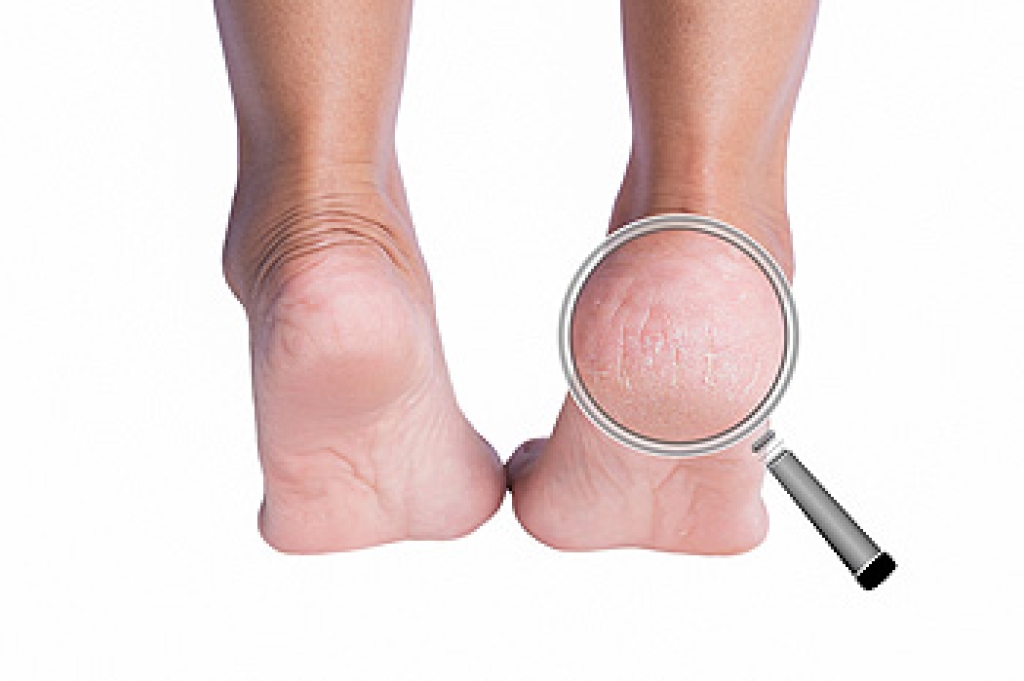
Foot Fractures and the Importance of Proper Diagnosis

A foot fracture, commonly referred to as a broken foot, occurs when one or more of the bones in the foot crack or break due to trauma, overuse, or stress. Because symptoms like swelling, bruising, and pain can resemble an ankle sprain, a fracture is sometimes misdiagnosed, leading to delayed healing and further complications. Types of foot fractures include stress fractures, displaced fractures, and hairline fractures, each requiring specific management. An accurate diagnosis through clinical evaluation and imaging tests is essential for proper treatment. A podiatrist can identify the source of pain, provide immobilization or other therapies, and guide recovery. If you have broken your foot, it is suggested that you consult a podiatrist who can guide you toward proper treatment, ensuring your injury heals correctly and completely. 

A broken foot requires immediate medical attention and treatment. If you need your feet checked, contact one of our podiatrists from Front Range Podiatry. Our doctors can provide the care you need to keep you pain-free and on your feet.

Broken Foot Causes, Symptoms, and Treatment

A broken foot is caused by one of the bones in the foot typically breaking when bended, crushed, or stretched beyond its natural capabilities. Usually the location of the fracture indicates how the break occurred, whether it was through an object, fall, or any other type of injury. 

Common Symptoms of Broken Feet:

  • Bruising
  • Pain
  • Redness
  • Swelling
  • Blue in color
  • Numbness
  • Cold
  • Misshapen
  • Cuts
  • Deformities

Those that suspect they have a broken foot shoot seek urgent medical attention where a medical professional could diagnose the severity.

Treatment for broken bones varies depending on the cause, severity and location. Some will require the use of splints, casts or crutches while others could even involve surgery to repair the broken bones. Personal care includes the use of ice and keeping the foot stabilized and elevated.

If you have any questions, please feel free to contact our office located in Littleton, CO . We offer the newest diagnostic and treatment technologies for all your foot care needs.


Read more about Causes, Symptoms, and Treatment for a Broken Foot

Keep Your Feet Healthy So You Can Stay Active

Have your feet inspected by a professional before starting a new sport or physical activity. Taking charge of your foot health will keep you in good physical condition and can help you avoid a potential injury, such as a fracture or sprained ankle.

Prevent injuries and see a foot specialist.

How Beginners Can Choose the Right Running Shoes

Buying running shoes as a beginner requires careful attention to comfort, support, and proper fit. The right pair should feel comfortable immediately, with enough room in the toe box and secure support around the heel. Look for cushioning that matches your activity level and provides shock absorption without feeling unstable. A good fit allows natural foot movement while preventing slipping or pressure points. Quality running shoes are important because they help reduce stress on joints, improve alignment, and lower the risk of common overuse injuries. Trying shoes on later in the day, when feet are slightly swollen, can improve fit. A podiatrist can assess your foot type and gait to recommend suitable options. If you have foot or ankle pain from wearing the wrong running shoes, it is suggested that you consult a podiatrist who can offer effective treatment solutions, and offer additional guidance on selecting the right running shoes.

If you are a runner, wearing the right running shoe is essential. For more information, contact one of our podiatrists from Front Range Podiatry. Our doctors can provide the care you need to keep you pain-free and on your feet.

Choosing the Right Running Shoe for Your Foot Type

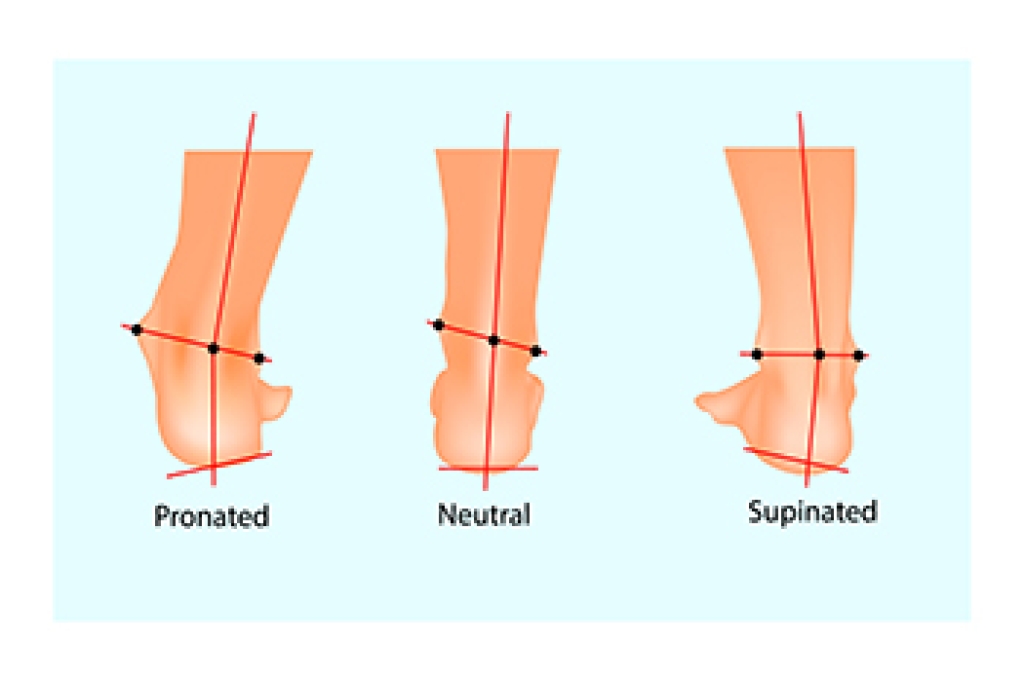
To increase performance and avoid the risk of injury, it is important to choose the right running shoe based on your foot type. The general design of running shoes revolves around pronation, which is how the ankle rolls from outside to inside when the foot strikes the ground.

  • Neutral runners are able to choose from a wide variety of shoes, including minimalist shoes or even going barefoot.
  • Runners who overpronate, or experience an over-abundance of ankle rolling, should choose shoes that provide extra motion control and stability.
  • Runners who underpronate, or supinate, have feet that have high arches and lack flexibility, preventing shock absorption. They require shoes with more flexibility and cushion.

If you have any questions, please feel free to contact our office located in Littleton, CO . We offer the newest diagnostic and treatment technologies for all your foot care needs.
Read more about Differences between Walking and Running Shoes

The Pain of Morton’s Neuroma

Morton’s neuroma is a painful condition involving irritation and thickening of a nerve in the foot, most often between the third and fourth toes. It is commonly caused by repetitive pressure from tight shoes, high heels, foot structure, or activities that place stress on the forefoot like running or jumping. Symptoms include burning pain, tingling, numbness, or the sensation of standing on a pebble. The foot may look normal from the outside, but it can feel quite painful, especially when walking or wearing narrow shoes. A podiatrist can help by beginning with a detailed history and physical examination, often supported by imaging to confirm the diagnosis. Treatment may progress to footwear changes, custom orthotics, anti-inflammatory care, and injection therapy when appropriate. Early treatment can reduce nerve irritation and prevent worsening symptoms. If you have Morton’s neuroma, it is suggested that you schedule an appointment with a podiatrist for appropriate treatment.

Morton’s neuroma is a very uncomfortable condition to live with. If you think you have Morton’s neuroma, contact one of our podiatrists of Front Range Podiatry. Our doctors will attend to all of your foot care needs and answer any of your related questions.  

Morton’s Neuroma

Morton's neuroma is a painful foot condition that commonly affects the areas between the second and third or third and fourth toe, although other areas of the foot are also susceptible. Morton’s neuroma is caused by an inflamed nerve in the foot that is being squeezed and aggravated by surrounding bones.

What Increases the Chances of Having Morton’s Neuroma?

  • Ill-fitting high heels or shoes that add pressure to the toe or foot
  • Jogging, running or any sport that involves constant impact to the foot
  • Flat feet, bunions, and any other foot deformities

Morton’s neuroma is a very treatable condition. Orthotics and shoe inserts can often be used to alleviate the pain on the forefront of the feet. In more severe cases, corticosteroids can also be prescribed. In order to figure out the best treatment for your neuroma, it’s recommended to seek the care of a podiatrist who can diagnose your condition and provide different treatment options.

If you have any questions, please feel free to contact our office located in Littleton, CO . We offer the newest diagnostic and treatment technologies for all your foot care needs.
Read more about What is Morton's Neuroma?

Foot Anatomy and Its Role in Long-Distance Running

During long-distance running, foot anatomy plays a critical role in efficiency, balance, and injury prevention. The gait cycle places repeated stress on the foot as it absorbs impact and propels the body forward. Intrinsic muscles within the foot provide stability, arch support, and fine control, while extrinsic muscles originating in the leg generate power and guide motion. When these systems are overworked or imbalanced, running injuries like tendinitis and stress reactions may develop. Poor mechanics can increase strain on bones, muscles, and connective tissues, over time. A podiatrist can analyze running gait, identify biomechanical faults, and recommend custom orthotics, footwear guidance, and other targeted treatments. If you have foot pain from running, it is suggested that you consult a podiatrist who can offer effective treatment and prevention tips.

If you have any concerns about your feet, contact one of our podiatrists from Front Range Podiatry. Our doctors can provide the care you need to keep you pain-free and on your feet.

Biomechanics in Podiatry

Podiatric biomechanics is a particular sector of specialty podiatry with licensed practitioners who are trained to diagnose and treat conditions affecting the foot, ankle and lower leg. Biomechanics deals with the forces that act against the body, causing an interference with the biological structures. It focuses on the movement of the ankle, the foot and the forces that interact with them.

A History of Biomechanics

  • Biomechanics dates back to the BC era in Egypt where evidence of professional foot care has been recorded.
  • In 1974, biomechanics gained a higher profile from the studies of Merton Root, who claimed that by changing or controlling the forces between the ankle and the foot, corrections or conditions could be implemented to gain strength and coordination in the area.

Modern technological improvements are based on past theories and therapeutic processes that provide a better understanding of podiatric concepts for biomechanics. Computers can provide accurate information about the forces and patterns of the feet and lower legs.

Understanding biomechanics of the feet can help improve and eliminate pain, stopping further stress to the foot.

If you have any questions please feel free to contact our office located in Littleton, CO . We offer the newest diagnostic and treatment technologies for all your foot and ankle needs.

Read more about Biomechanics in Podiatry

Connect With Us

scroll to top