What You Need to Know About Heel Spurs

Heel spurs are bony growths that develop on the underside of the heel bone due to long-term stress and strain on the foot. They are often associated with plantar fascia irritation, where the connective tissue that supports the arch becomes inflamed. Over time, the body responds by depositing calcium, leading to the formation of a spur. While not all heel spurs cause pain, their presence can contribute to discomfort during daily movement.

Symptoms of heel spurs vary depending on severity and activity level. Many individuals describe a sharp, stabbing pain in the heel, especially with the first steps in the morning. Others report a dull ache that worsens after prolonged standing or walking. Swelling, tenderness, and localized inflammation may also be present. Risk factors include repetitive impact, poor foot mechanics, and wearing unsupportive footwear. Individuals who spend long hours on their feet are more likely to experience these symptoms.

The causes of heel spurs are typically linked to repetitive stress and strain. Activities such as running, walking on hard surfaces, or standing for extended periods of time can place continuous pressure on the heel. Wearing improper footwear that lacks arch support can increase tension on the plantar fascia. Additional risk factors include excess body weight, tight calf muscles, and flat feet or high arches. These conditions place extra stress on the heel and contribute to spur formation.

The key takeaway is that heel spurs develop over time due to repeated strain, but early care can reduce pain and prevent progression. Wearing supportive shoes, stretching, and activity modification play a major role in managing symptoms. Recognizing the warning signs allows for timely intervention and better outcomes. Heel pain is uncomfortable, and may affect daily activities. If this applies to you, it is suggested that you consult a podiatrist who can accurately diagnose and treat heel spurs.

Heel spurs can be incredibly painful and sometimes may make you unable to participate in physical activities. To get medical care for your heel spurs, contact one of our podiatrists from Front Range Podiatry. Our doctors will do everything possible to treat your condition.

Heels Spurs

Heel spurs are formed by calcium deposits on the back of the foot where the heel is. This can also be caused by small fragments of bone breaking off one section of the foot, attaching onto the back of the foot. Heel spurs can also be bone growth on the back of the foot and may grow in the direction of the arch of the foot.

Older individuals usually suffer from heel spurs and pain sometimes intensifies with age. One of the main condition's spurs are related to is plantar fasciitis.

Pain

The pain associated with spurs is often because of weight placed on the feet. When someone is walking, their entire weight is concentrated on the feet. Bone spurs then have the tendency to affect other bones and tissues around the foot. As the pain continues, the feet will become tender and sensitive over time.

Treatments

There are many ways to treat heel spurs. If one is suffering from heel spurs in conjunction with pain, there are several methods for healing. Medication, surgery, and herbal care are some options.

If you have any questions, please feel free to contact our office located in Littleton, CO . We offer the newest diagnostic and treatment technologies for all your foot care needs.

Read more about Heel Spurs

What You Should Know About Bunions

A bunion is a bony bump that forms at the base of the big toe, where the toe meets the foot. Meanwhile, the big toe gradually shifts toward the smaller toes. This change can place extra pressure on the joint and make walking uncomfortable. People with bunions frequently notice pain, swelling, and redness surrounding the affected area. The joint can also become stiff, making it harder to move the big toe. Bunions develop for several reasons, including inherited foot structure, arthritis, and wearing shoes that do not fit properly. A podiatrist examines the foot, evaluates the alignment of the toe, and determines how much the joint has changed. X-rays provide detailed images that help guide diagnosis and treatment.

As a bunion worsens, it can affect the way weight is distributed across the foot. This added pressure sometimes causes calluses or irritation where the toes rub together. In more advanced cases, the second toe can also change position. Pain can increase while walking or standing for long periods of time, making everyday activities more difficult. A podiatrist evaluates the severity of the bunion and checks for joint damage, reduced motion, and changes in foot function. Early diagnosis helps identify the best treatment approach before the deformity becomes more severe. A deformity is an abnormal change in the shape or position of a body part.

Treatment focuses on reducing discomfort, improving foot function, and slowing the progression of the bunion. A podiatrist develops a personalized treatment plan based on the size of the bunion and the condition of the joint. Care includes recommending shoes that fit properly, providing custom shoe inserts, and monitoring changes in the foot. Custom orthotics are specially made shoe inserts that improve foot support and alignment. When the bunion causes significant pain or severely limits movement, surgery can correct the position of the joint. If you have symptoms of a bunion, it is suggested that you schedule an appointment with a podiatrist for diagnosis and appropriate treatment.

If you are suffering from bunions, contact one of our podiatrists of Front Range Podiatry. Our doctors can provide the care you need to keep you pain-free and on your feet.

What Is a Bunion?

A bunion is formed of swollen tissue or an enlargement of boney growth, usually located at the base joint of the toe that connects to the foot. The swelling occurs due to the bones in the big toe shifting inward, which impacts the other toes of the foot. This causes the area around the base of the big toe to become inflamed and painful.

Why Do Bunions Form?

Genetics – Susceptibility to bunions are often hereditary

Stress on the feet – Poorly fitted and uncomfortable footwear that places stress on feet, such as heels, can worsen existing bunions

How Are Bunions Diagnosed?

Podiatrists often perform two tests – blood tests and x-rays – when trying to diagnose bunions, especially in the early stages of development. Blood tests help determine if the foot pain is being caused by something else, such as arthritis, while x-rays provide a clear picture of your bone structure to your provider.

How Are Bunions Treated?

  • Refrain from wearing heels or similar shoes that cause discomfort
  • Select wider shoes that can provide more comfort and reduce pain
  • Anti-inflammatory and pain management drugs
  • Orthotics or foot inserts
  • Surgery

If you have any questions, please feel free to contact our office located in Littleton, CO . We offer the newest diagnostic and treatment technologies for all your foot care needs.

Read more about Bunions

Do You Suffer From Painful Feet?

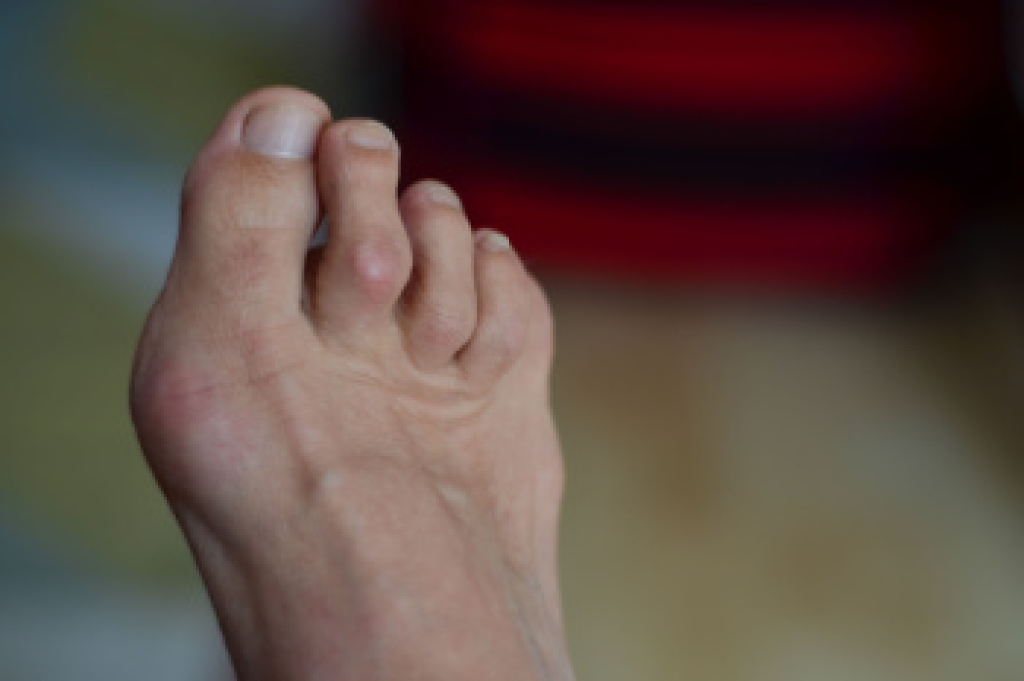
Painful deformities, such as hammertoes, can be treated. Stop living with foot pain, and have beautiful feet again!

Comparing Arch Support and Insoles for Flat Feet Relief

Flat feet is a common condition where the natural arch of the foot is either low or absent, leading to increased ground contact and altered movement patterns. This condition can be present from childhood or develop later. Factors include injury, weight gain, or repetitive stress. When the arch is not properly supported, the foot may struggle to absorb shock efficiently. This can affect posture and contribute to discomfort in the lower body. Understanding how to support the foot correctly is essential for maintaining long-term mobility and comfort.

Symptoms associated with flat feet include aching in the arches or heels, stiffness in the feet, and discomfort that worsens with activity. Some individuals may also experience knee or lower back strain due to improper alignment. Risk factors include family history, ligament laxity, prolonged standing, and footwear that lacks adequate support. Over time, these factors can place added stress on the feet and surrounding joints, making proper support a key part of symptom management.


Arch-support insoles are specifically designed to contour to the foot and provide targeted support beneath the arch. This helps reduce overpronation and promotes better alignment during walking and standing. These insoles can be especially beneficial for individuals experiencing pain or instability. Flat insoles, on the other hand, focus on cushioning and shock absorption without correcting arch position. While they may improve comfort in the short term, they do not address the underlying mechanics of flat feet.


In general, arch-support and flat insoles serve different purposes, but individuals with flat feet often benefit more from structured support. Selecting the right insole can improve comfort, reduce strain, and support overall foot health. If you have pain from flat feet and are considering insoles, it is suggested that you consult a podiatrist for guidance on the proper insoles to wear.

If you are having discomfort in your feet and would like to try orthotics, contact one of our podiatrists from Front Range Podiatry. Our doctors can provide the care you need to keep you pain-free and on your feet.

What Are Orthotics?

Orthotics are inserts you can place into your shoes to help with a variety of foot problems such as flat feet or foot pain. Orthotics provide relief and comfort for minor foot and heel pain but can’t correct serious biomechanical problems in your feet.

Over-the-Counter Inserts

Orthotics come in a wide variety of over-the-counter inserts that are used to treat foot pain, heel pain, and minor problems. For example, arch supports can be inserted into your shoes to help correct overarched or flat feet, while gel insoles are often used because they provide comfort and relief from foot and heel pain by alleviating pressure.

Prescription Orthotics

If over-the-counter inserts don’t work for you or if you have a more severe foot concern, it is possible to have your podiatrist prescribe custom orthotics. These high-quality inserts are designed to treat problems such as abnormal motion, plantar fasciitis, and severe forms of heel pain. They can even be used to help patients suffering from diabetes by treating foot ulcers and painful calluses and are usually molded to your feet individually, which allows them to provide full support and comfort.

If you are experiencing minor to severe foot or heel pain, it’s recommended to speak with your podiatrist about the possibilities of using orthotics. A podiatrist can determine which type of orthotic is right for you and allow you to take the first steps towards being pain-free.

If you have any questions, please feel free to contact our office located in Littleton, CO . We offer the newest diagnostic and treatment technologies for all your foot care needs.

Read more about Foot Orthotics

Understanding Foot Pain and Its Causes

Foot pain can affect people of all ages and activity levels. It may appear as aching, sharp discomfort, or a burning sensation in different parts of the foot. This pain often develops from repeated stress, poor foot mechanics, or improper footwear. Underlying conditions, such as flat feet or high arches, may also contribute. Risk factors include standing for long periods, carrying excess weight, and playing certain sports. Strain on soft tissues can lead to a number of conditions. Plantar fasciitis involves inflammation of the heel tissue. Fat pad atrophy occurs when the natural cushioning on the heels thins. Morton’s neuroma develops from a thickening of nerve tissue, commonly between the third and fourth toes. A podiatrist can evaluate foot structure, order X-rays and digital imaging, and create targeted treatment plans to relieve pain and restore function. If you have foot pain, it is suggested that you consult a podiatrist who can determine the cause and offer appropriate treatment solutions.

Foot Pain

Foot pain can be extremely painful and debilitating. If you have a foot pain, consult with one of our podiatrists from Front Range Podiatry. Our doctors will assess your condition and provide you with quality foot and ankle treatment.

Causes

Foot pain is a very broad condition that could be caused by one or more ailments. The most common include:

  • Bunions
  • Hammertoes
  • Plantar Fasciitis
  • Bone Spurs
  • Corns
  • Tarsal Tunnel Syndrome
  • Ingrown Toenails
  • Arthritis (such as Gout, Rheumatoid, and Osteoarthritis)
  • Flat Feet
  • Injury (from stress fractures, broken toe, foot, ankle, Achilles tendon ruptures, and sprains)
  • And more

Diagnosis

To figure out the cause of foot pain, podiatrists utilize several different methods. This can range from simple visual inspections and sensation tests to X-rays and MRI scans. Prior medical history, family medical history, and any recent physical traumatic events will all be taken into consideration for a proper diagnosis.

Treatment

Treatment depends upon the cause of the foot pain. Whether it is resting, staying off the foot, or having surgery; podiatrists have a number of treatment options available for foot pain.

If you have any questions, please feel free to contact our office located in Littleton, CO . We offer the newest diagnostic and treatment technologies for all your foot care needs.

Read more about Foot Pain

Connect With Us

Advanced Podiatric Procedures & Services in the Littleton, CO 80120 area