Causes of Toenail Fungus

Toenail fungus, also called onychomycosis, is a disorder that affects the nail plate and can slowly spread if untreated. It often begins as white, yellow, or black spots on the toenail that gradually thicken, discolor, and distort the nail. This condition thrives in warm and moist environments, making prevention an important part of foot care. Helpful habits include trimming toenails straight across, discarding old shoes that may contain fungal spores, and wearing protective footwear in pool areas and shared locker rooms. A podiatrist can confirm the diagnosis, provide targeted treatment, and guide long-term prevention to restore healthier nails. If you notice any of these symptoms on your toenails, it is suggested that you consult a podiatrist who can offer effective treatment solutions, which may include prescribed medication.

If left untreated, toenail fungus may spread to other toenails, skin, or even fingernails. If you suspect you have toenail fungus it is important to seek treatment right away. For more information about treatment, contact one of our podiatrists of Front Range Podiatry. Our doctors can provide the care you need to keep you pain-free and on your feet.

Symptoms

  • Warped or oddly shaped nails
  • Yellowish nails
  • Loose/separated nail
  • Buildup of bits and pieces of nail fragments under the nail
  • Brittle, broken, thickened nail

Treatment

If self-care strategies and over-the-counter medications does not help your fungus, your podiatrist may give you a prescription drug instead. Even if you find relief from your toenail fungus symptoms, you may experience a repeat infection in the future.

Prevention

In order to prevent getting toenail fungus in the future, you should always make sure to wash your feet with soap and water. After washing, it is important to dry your feet thoroughly especially in between the toes. When trimming your toenails, be sure to trim straight across instead of in a rounded shape. It is crucial not to cover up discolored nails with nail polish because that will prevent your nail from being able to “breathe”.

In some cases, surgical procedure may be needed to remove the toenail fungus. Consult with your podiatrist about the best treatment options for your case of toenail fungus.  

If you have any questions please contact our office located in Littleton, CO . We offer the newest diagnostic and treatment technologies for all your foot and ankle needs.

Read more about Treating Toenail Fungus

Signs and Treatment of a Broken Heel Bone

Signs of a broken heel bone often develop quickly after an injury and can make walking very difficult. The heel bone, known medically as the calcaneus, supports the back of the foot and works to help the foot roll inward and outward during movement. A break in the heel bone often causes sudden swelling, severe heel pain, and bruising that spreads through the back of the foot. Many people cannot put weight on the injured foot at all. The pain usually worsens when trying to stand, walk, or even move the ankle. In some heel bone fractures, the skin stays intact, but when the skin is broken, surgery is needed right away to reduce the risk of serious complications. A podiatrist can evaluate the injury, order imaging, and guide proper treatment to help protect long-term foot function. If you believe you have broken your heel bone, it is suggested that you make an immediate appointment with a podiatrist for a diagnosis and treatment.

A broken foot requires immediate medical attention and treatment. If you need your feet checked, contact one of our podiatrists from Front Range Podiatry. Our doctors can provide the care you need to keep you pain-free and on your feet.

Broken Foot Causes, Symptoms, and Treatment

A broken foot is caused by one of the bones in the foot typically breaking when bended, crushed, or stretched beyond its natural capabilities. Usually the location of the fracture indicates how the break occurred, whether it was through an object, fall, or any other type of injury. 

Common Symptoms of Broken Feet:

  • Bruising
  • Pain
  • Redness
  • Swelling
  • Blue in color
  • Numbness
  • Cold
  • Misshapen
  • Cuts
  • Deformities

Those that suspect they have a broken foot shoot seek urgent medical attention where a medical professional could diagnose the severity.

Treatment for broken bones varies depending on the cause, severity and location. Some will require the use of splints, casts or crutches while others could even involve surgery to repair the broken bones. Personal care includes the use of ice and keeping the foot stabilized and elevated.

If you have any questions, please feel free to contact our office located in Littleton, CO . We offer the newest diagnostic and treatment technologies for all your foot care needs.


Read more about Causes, Symptoms, and Treatment for a Broken Foot

Understanding a Broken Ankle and When to Seek Care

broken ankle is a fracture of one or more bones that make up the ankle joint. It can be the result of twisting the foot, falling or experiencing a direct impact. Symptoms include sudden pain, swelling, bruising, difficulty moving the ankle, and an inability to bear weight. The area may appear deformed due to the injury. Causes range from sports accidents to simple missteps on uneven ground. A podiatrist can perform a thorough examination, order imaging, and provide treatment that supports healing, reduces pain, and restores function. If you suspect  you have broken your ankle, it is suggested that you promptly contact a podiatrist who can accurately diagnose and treat this condition.

Broken ankles need immediate treatment. If you are seeking treatment, contact one of our podiatrists from Front Range Podiatry. Our doctors can provide the care you need to keep you pain-free and on your feet. 

Broken Ankles
A broken ankle is experienced when a person fractures their tibia or fibula in the lower leg and ankle area. Both of these bones are attached at the bottom of the leg and combine to form what we know to be our ankle.

When a physician is referring to a break of the ankle, he or she is usually referring to a break in the area where the tibia and fibula are joined to create our ankle joint. Ankles are more prone to fractures because the ankle is an area that suffers a lot of pressure and stress. There are some obvious signs when a person experiences a fractured ankle, and the following symptoms may be present.

Symptoms of a Fractured Ankle

  • Excessive pain when the area is touched or when any pressure is placed on the ankle
  • Swelling around the area
  • Bruising of the area
  • Area appears to be deformed

If you suspect an ankle fracture, it is recommended to seek treatment as soon as possible. The sooner you have your podiatrist diagnose the fracture, the quicker you’ll be on the way towards recovery.

If you have any questions, please feel free to contact our office located in Littleton, CO . We offer the newest diagnostic and treatment technologies for all your foot care needs.

Read more about Broken Ankle Causes, Differences, Symptoms and Treatments

Heel Pain Can Be Treated!

Do you suffer from heel pain when you get up in the morning? If so, you should seek professional help and have a proper diagnosis performed. Heel pain can be caused by several different foot-related conditions.

The Hidden Impact of Foot Pain on Walking Biomechanics

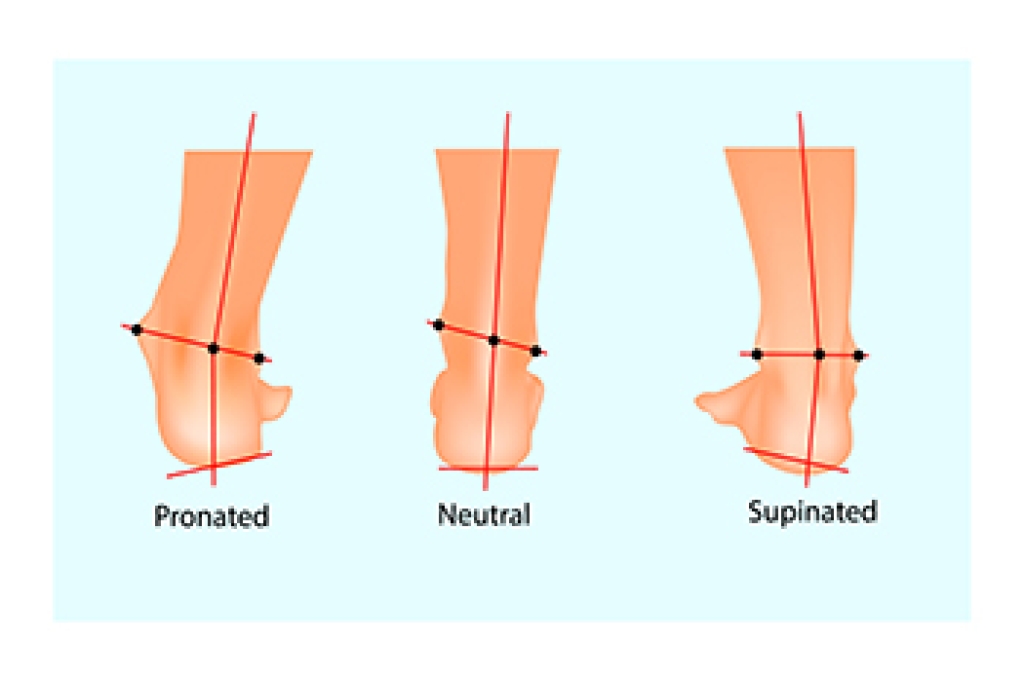
Walking is a complex movement that relies on proper alignment and coordination of the feet, ankles, and legs. When foot pain develops, it can alter normal biomechanics, causing changes in gait and posture that place stress on other joints. Common causes include plantar fasciitis, arthritis, flat feet, or injury to soft tissues. Symptoms include aching, stiffness, or sharp pain that worsens with activity. Over time, these changes can lead to limping, uneven wear on shoes, or discomfort in the knees, hips, and lower back. The foot may appear swollen or misaligned, and walking may feel awkward or unstable. A podiatrist can assess gait and foot structure through examination, imaging, and biomechanical analysis. Treatment may include custom orthotics, footwear recommendations, and stretching programs to relieve pain and restore natural movement. If foot pain is affecting how you walk, it is suggested that you make an appointment with a podiatrist to prevent further complications and maintain healthy mobility.

If you have any concerns about your feet, contact one of our podiatrists from Front Range Podiatry. Our doctors can provide the care you need to keep you pain-free and on your feet.

Biomechanics in Podiatry

Podiatric biomechanics is a particular sector of specialty podiatry with licensed practitioners who are trained to diagnose and treat conditions affecting the foot, ankle and lower leg. Biomechanics deals with the forces that act against the body, causing an interference with the biological structures. It focuses on the movement of the ankle, the foot and the forces that interact with them.

A History of Biomechanics

  • Biomechanics dates back to the BC era in Egypt where evidence of professional foot care has been recorded.
  • In 1974, biomechanics gained a higher profile from the studies of Merton Root, who claimed that by changing or controlling the forces between the ankle and the foot, corrections or conditions could be implemented to gain strength and coordination in the area.

Modern technological improvements are based on past theories and therapeutic processes that provide a better understanding of podiatric concepts for biomechanics. Computers can provide accurate information about the forces and patterns of the feet and lower legs.

Understanding biomechanics of the feet can help improve and eliminate pain, stopping further stress to the foot.

If you have any questions please feel free to contact our office located in Littleton, CO . We offer the newest diagnostic and treatment technologies for all your foot and ankle needs.

Read more about The Importance of Biomechanics in Podiatry

Connect With Us

scroll to top