Different Types of Foot and Ankle Wounds Explained

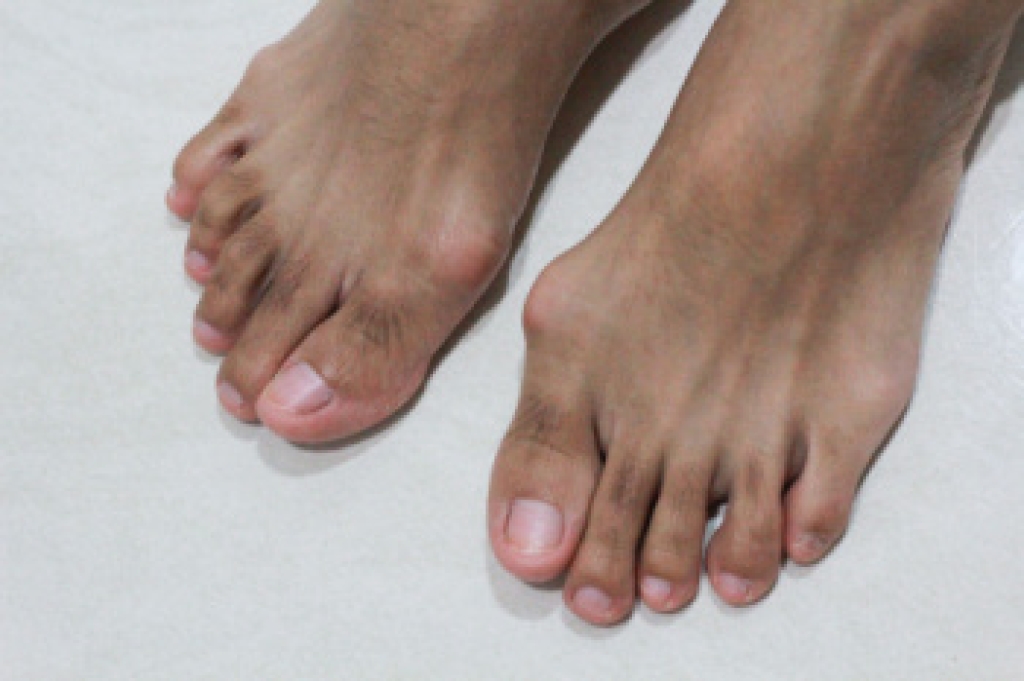
Foot and ankle wounds fall into several common categories based on how they develop. Pressure-related wounds form from constant weight or rubbing and are often found on heels, toes, or areas over bone. Arterial wounds are linked to poor blood flow, and usually appear on the toes or outer foot with dry or pale tissue. Venous wounds occur when blood does not return well to the heart and are more common around the ankles with swelling and skin discoloration. Neuropathic wounds develop when sensation is reduced, allowing injuries to go unnoticed and worsen over time. Additionally, surgical wounds may struggle to close after procedures if swelling, infection, or movement interferes with healing. Traumatic wounds result from cuts, punctures, or falls and vary in depth and severity. Identifying the type helps guide care. If a foot or ankle wound is slow to heal, evaluation by a podiatrist is suggested for accurate diagnosis and treatment.

Wound care is an important part in dealing with diabetes. If you have diabetes and a foot wound or would like more information about wound care for diabetics, consult with one of our podiatrists from Front Range Podiatry. Our doctors will assess your condition and provide you with quality foot and ankle treatment.

What Is Wound Care?

Wound care is the practice of taking proper care of a wound. This can range from the smallest to the largest of wounds. While everyone can benefit from proper wound care, it is much more important for diabetics. Diabetics often suffer from poor blood circulation which causes wounds to heal much slower than they would in a non-diabetic. 

What Is the Importance of Wound Care?

While it may not seem apparent with small ulcers on the foot, for diabetics, any size ulcer can become infected. Diabetics often also suffer from neuropathy, or nerve loss. This means they might not even feel when they have an ulcer on their foot. If the wound becomes severely infected, amputation may be necessary. Therefore, it is of the upmost importance to properly care for any and all foot wounds.

How to Care for Wounds

The best way to care for foot wounds is to prevent them. For diabetics, this means daily inspections of the feet for any signs of abnormalities or ulcers. It is also recommended to see a podiatrist several times a year for a foot inspection. If you do have an ulcer, run the wound under water to clear dirt from the wound; then apply antibiotic ointment to the wound and cover with a bandage. Bandages should be changed daily and keeping pressure off the wound is smart. It is advised to see a podiatrist, who can keep an eye on it.

If you have any questions please contact our office located in Littleton, CO . We offer the newest diagnostic and treatment technologies for all your foot and ankle needs.

Read more about Wound Care

Surgical Remedies for Ingrown Toenails

Surgery for ingrown toenails corrects how the nail edge presses into the skin of the toe and causes pain and drainage. When ongoing problems affect walking or shoe wear, a podiatrist can recommend surgery to remove the portion of nail that continues to grow into the skin, while preserving a natural nail appearance. One approach involves removing a narrow section of the nail and treating the growth center so that edge does not return. This helps reduce repeat irritation, infection, and tissue overgrowth along the nail fold. Surgery for an ingrown toenail is performed carefully under local anesthesia and targets the nail plate and matrix, the area responsible for nail growth. If you have a problematic ingrown toenail, it is suggested that you make an appointment with a podiatrist for a diagnosis and treatment options.

Ingrown toenails can become painful if they are not treated properly. For more information about ingrown toenails, contact one of our podiatrists of Front Range Podiatry. Our doctors can provide the care you need to keep you pain-free and on your feet.

Ingrown Toenails

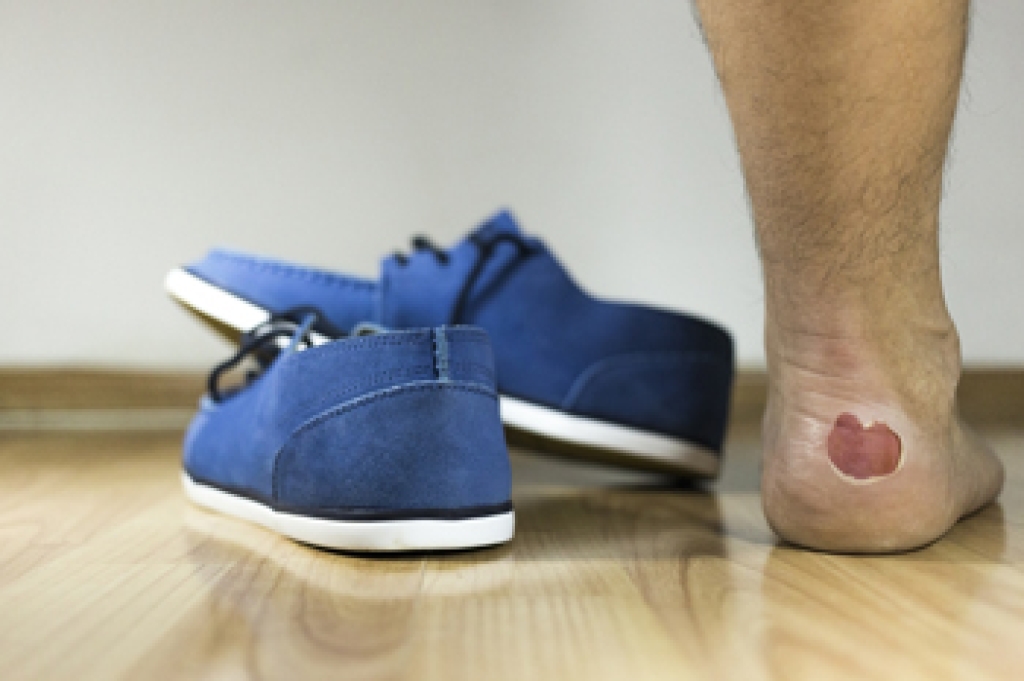
Ingrown toenails occur when a toenail grows sideways into the bed of the nail, causing pain, swelling, and possibly infection.

Causes

  • Bacterial infections
  • Improper nail cutting such as cutting it too short or not straight across
  • Trauma to the toe, such as stubbing, which causes the nail to grow back irregularly
  • Ill-fitting shoes that bunch the toes too close together
  • Genetic predisposition

Prevention

Wearing proper fitting shoes and using proper cutting techniques will also help decrease your risk of developing ingrown toenails.

Treatment

Ingrown toenails are a very treatable foot condition. In minor cases, soaking the affected area in salt or antibacterial soaps will not only help with the ingrown nail itself, but also help prevent any infections from occurring. In more severe cases, surgery is an option. In either case, speaking to your podiatrist about this condition will help you get a better understanding of specific treatment options that are right for you.

If you have any questions, please feel free to contact our office located in Littleton, CO . We offer the newest diagnostic and treatment technologies for all your foot care needs.
Read more about Ingrown Toenails

When Heel Pain Slows Every Step

Plantar fasciitis is one of the most common causes of heel pain and occurs when the plantar fascia becomes irritated or inflamed. The condition may not always show visible changes, but the heel can appear slightly swollen or tender to touch. It often feels like a sharp or stabbing pain in the heel or arch, especially with the first steps in the morning or after periods of rest. Pain may lessen with movement but return after long periods of standing or activity. A podiatrist can help from the start by reviewing symptoms, examining foot structure and gait, and confirming the diagnosis while ruling out other causes of heel pain. Treatment options may include stretching programs, footwear recommendations, night splints, and anti-inflammatory care. Early podiatric treatment can reduce pain, improve function, and prevent chronic symptoms. If you are dealing with heel pain, it is suggested that you make an appointment with a podiatrist. 

Plantar fasciitis can be very painful and inconvenient. If you are experiencing heel pain or symptoms of plantar fasciitis, contact one of our podiatrists  from Front Range Podiatry. Our doctors can provide the care you need to keep you pain-free and on your feet.

What Is Plantar Fasciitis?

Plantar fasciitis is the inflammation of the thick band of tissue that runs along the bottom of your foot, known as the plantar fascia, and causes mild to severe heel pain.

What Causes Plantar Fasciitis?

  • Excessive running
  • Non-supportive shoes
  • Overpronation
  • Repeated stretching and tearing of the plantar fascia

How Can It Be Treated?

  • Conservative measures – anti-inflammatories, ice packs, stretching exercises, physical therapy, orthotic devices
  • Shockwave therapy – sound waves are sent to the affected area to facilitate healing and are usually used for chronic cases of plantar fasciitis
  • Surgery – usually only used as a last resort when all else fails. The plantar fascia can be surgically detached from the heel

While very treatable, plantar fasciitis is definitely not something that should be ignored. Especially in severe cases, speaking to your doctor right away is highly recommended to avoid complications and severe heel pain. Your podiatrist can work with you to provide the appropriate treatment options tailored to your condition.

If you have any questions, please feel free to contact our office located in Littleton, CO . We offer the newest diagnostic and treatment technologies for all your foot care needs.

Read more about Plantar Fasciitis

Risk of Achilles Tendon Ruptures in Football

Football places intense strain on the feet and ankles, and the push-off forces used for sprinting or sudden direction changes can damage the thick tendon behind the heel. The Achilles tendon, which links the calf muscles to the heel bone, allows a player to jump, run, and accelerate. Quick bursts of speed, tackling, and uneven fields increase tension in this tendon, making a tear more likely, especially when a player lands awkwardly or the ankle twists. A rupture causes sharp pain, swelling, and difficulty standing on the toes. A podiatrist can assess the tendon, order imaging, discuss footwear that provides support, and recommend treatment such as bracing, therapy guided exercises, or surgery when needed to restore strength and mobility. If you have Achilles tendon pain, it is suggested that you schedule an appointment with a podiatrist for a diagnosis and safe, sterile treatment.

Achilles tendon injuries need immediate attention to avoid future complications. If you have any concerns, contact one of our podiatrists of Front Range Podiatry. Our doctors can provide the care you need to keep you pain-free and on your feet.

What Is the Achilles Tendon?

The Achilles tendon is a tendon that connects the lower leg muscles and calf to the heel of the foot. It is the strongest tendon in the human body and is essential for making movement possible. Because this tendon is such an integral part of the body, any injuries to it can create immense difficulties and should immediately be presented to a doctor.

What Are the Symptoms of an Achilles Tendon Injury?

There are various types of injuries that can affect the Achilles tendon. The two most common injuries are Achilles tendinitis and ruptures of the tendon.

Achilles Tendinitis Symptoms

  • Inflammation
  • Dull to severe pain
  • Increased blood flow to the tendon
  • Thickening of the tendon

Rupture Symptoms

  • Extreme pain and swelling in the foot
  • Total immobility

Treatment and Prevention

Achilles tendon injuries are diagnosed by a thorough physical evaluation, which can include an MRI. Treatment involves rest, physical therapy, and in some cases, surgery. However, various preventative measures can be taken to avoid these injuries, such as:

  • Thorough stretching of the tendon before and after exercise
  • Strengthening exercises like calf raises, squats, leg curls, leg extensions, leg raises, lunges, and leg presses

If you have any questions please feel free to contact our office located in Littleton, CO . We offer the newest diagnostic tools and technology to treat your foot and ankle needs.

Read more about What are Achilles Tendon Injuries

Reminder: When Was the Last Time...?

Custom orthotics, or shoe inserts, should be periodically replaced. Orthotics must fit properly to give you the best results. Protect your feet and ankles!

Connect With Us

scroll to top