Flat Feet and Their Impact on Foot Health

Flat feet is a condition where the arch of the foot is absent or significantly lowered, causing the entire sole to come into contact with the ground. Flat feet can develop due to genetics, injury, aging, or weakening of the tendons that support the arch. Symptoms include foot pain, fatigue, swelling along the inside of the ankle, and difficulty standing or walking for long periods of time. Risk factors include obesity, repetitive strain, and certain medical conditions that affect connective tissue. A podiatrist can evaluate foot structure, assess gait, and provide supportive treatments. Among them are custom orthotics, strengthening exercises, and proper footwear guidance. If you have discomfort from flat feet, it is suggested that you consult a podiatrist who can help you to manage this condition.

Flatfoot is a condition many people suffer from. If you have flat feet, contact one of our podiatrists from Front Range Podiatry. Our doctors will treat your foot and ankle needs.

What Are Flat Feet?

Flatfoot is a condition in which the arch of the foot is depressed and the sole of the foot is almost completely in contact with the ground. About 20-30% of the population generally has flat feet because their arches never formed during growth.

Conditions & Problems:

Having flat feet makes it difficult to run or walk because of the stress placed on the ankles.

Alignment – The general alignment of your legs can be disrupted, because the ankles move inward which can cause major discomfort.

Knees – If you have complications with your knees, flat feet can be a contributor to arthritis in that area.  

Symptoms

  • Pain around the heel or arch area
  • Trouble standing on the tip toe
  • Swelling around the inside of the ankle
  • Flat look to one or both feet
  • Having your shoes feel uneven when worn

Treatment

If you are experiencing pain and stress on the foot you may weaken the posterior tibial tendon, which runs around the inside of the ankle. 

If you have any questions, please feel free to contact our office located in Littleton, CO . We offer the newest diagnostic and treatment technologies for all your foot care needs.

Read more about Flat Feet

Dealing With Swollen Feet

Swelling of the feet and ankles, also known as edema, occurs when excess fluid collects in the tissues. This may develop gradually or appear suddenly, causing the feet to look puffy, tight, or shiny. Shoes may feel tighter, and pressing on the skin may leave a temporary indentation. Swelling can be caused by standing or sitting for long periods, of time, injury, and pregnancy. Underlying conditions like circulation problems, heart disease, or kidney issues may also contribute. In addition, swelling may be linked to medications or inflammation in the foot or ankle joints. A podiatrist can help determine whether the swelling is related to a localized foot condition or part of a broader medical concern. Evaluation includes examining circulation, joint health, and skin condition. Treatment options include compression therapy, elevation, footwear recommendations, and targeted exercises to improve circulation. If you have persistent or unexplained swelling of the feet, it is suggested that you schedule an appointment with a podiatrist who can determine what the cause is, and offer appropriate relief and treatment tips.

Swollen feet can be a sign of an underlying condition. If you have any concerns, contact one of our podiatrists of Front Range Podiatry. Our doctors can provide the care you need to keep you pain-free and on your feet.

Swollen feet are a common ailment among pregnant women and people who stand or sit for extended periods. Aging may increase the possibility of swollen feet and patients who are obese often notice when their feet are swelling too. There may be medical reasons why swollen feet occur:

  • Phlebitis - A condition that causes the veins to become inflamed and can also cause leg pain.
  • Liver disease - This may lead to low blood levels of albumin which is a protein. This can cause fluid in the blood to pass into the tissues and several areas of the body can become swollen.
  • Heart failure - When the heart doesn’t pump properly the blood that is normally pumped back to the heart can pool in the veins of the legs causing swollen feet.
  • Kidney disease - One of the main functions of the kidneys is releasing excess fluid in the body. This type of condition can make it difficult for the kidneys to function properly, and as a result the feet may become swollen.
  • Deep-vein thrombosis (DVT)- This is a serious condition where blood clots form in the veins of the legs. They can block the return of blood from the legs to the heart which may cause the feet to swell. It is important to be treated by a podiatrist if this condition is present.

Swollen feet can also be caused by bone and tendon conditions, including fractures, arthritis, and tendinitis. Additionally, there may be skin and toenail conditions and an infection may cause the feet to swell. Patients who take medicine to treat high blood pressure may be prone to getting swollen feet. 

Many patients elevate their feet to help relieve the swelling and this is generally a temporary remedy. When a podiatrist is consulted the reason behind the swelling can be uncovered and subsequently treated.

If you have any questions please contact our office located in Littleton, CO . We offer the newest diagnostic and treatment technologies for all your foot and ankle needs.

Read more about Swelling of the Feet

Causes and Symptoms of Bunions

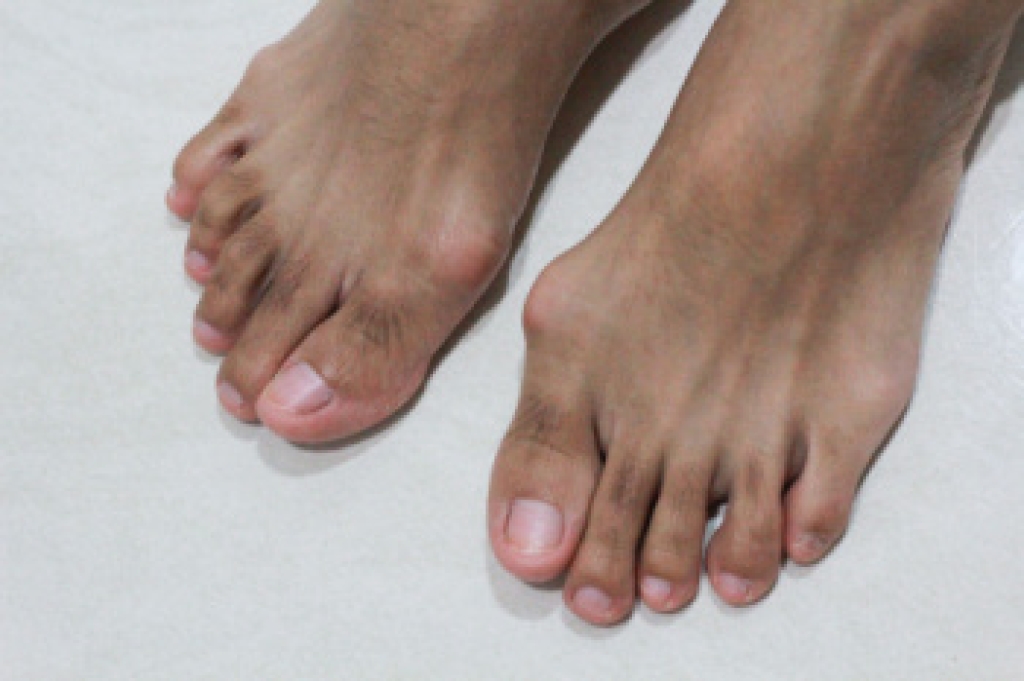
A bunion is a bony deformity that develops at the base of the big toe, where the joint becomes misaligned and pushes outward, creating a noticeable bump on the side of the foot. This condition is often noticeable as the skin is red and swollen over the affected joint, causing discomfort and irritation. Symptoms may include pain, tenderness, and difficulty wearing shoes. Common causes include inherited foot structure, wearing improper footwear, and repetitive stress on the joint, while risk factors include tight shoes, prolonged standing, and certain foot shapes. A podiatrist can assess the condition, recommend treatments, and provide relief strategies. If you notice symptoms of a bunion, it is suggested that you consult a podiatrist who can offer effective management solutions for pain relief and guidelines on preventing progression.

If you are suffering from bunion pain, contact one of our podiatrists of Front Range Podiatry. Our doctors can provide the care you need to keep you pain-free and on your feet.

What Is a Bunion?

Bunions are painful bony bumps that usually develop on the inside of the foot at the joint of the big toe. As the deformity increases over time, it may become painful to walk and wear shoes. Women are more likely to exacerbate existing bunions since they often wear tight, narrow shoes that shift their toes together. Bunion pain can be relieved by wearing wider shoes with enough room for the toes.

Causes

  • Genetics – some people inherit feet that are more prone to bunion development
  • Inflammatory Conditions - rheumatoid arthritis and polio may cause bunion development

Symptoms

  • Redness and inflammation
  • Pain and tenderness
  • Callus or corns on the bump
  • Restricted motion in the big toe

In order to diagnose your bunion, your podiatrist may ask about your medical history, symptoms, and general health. Your doctor might also order an x-ray to take a closer look at your feet. Nonsurgical treatment options include orthotics, padding, icing, changes in footwear, and medication. If nonsurgical treatments don’t alleviate your bunion pain, surgery may be necessary.

If you have any questions, please feel free to contact our office located in Littleton, CO . We offer the newest diagnostic and treatment technologies for all your foot care needs.

Read more about Bunions

Types of Toenail Fungus

Toenail fungus is a common infection that affects the nail and surrounding skin, leading to discoloration and nail deformity. Subungual fungus develops beneath the nail, causing thickening, crumbling, and dark debris. White superficial fungus appears as white patches on the nail surface that may become rough and powdery. Candida infections affect the nail and surrounding tissue, often leading to swelling, redness, and separation of the nail. Symptoms can include brittleness, odor, and discomfort. Risk factors include warm moist environments, poor foot hygiene, diabetes, and a weakened immune system. A podiatrist can identify the type of infection, provide targeted treatments, such as topical or oral medications, and offer guidance on proper foot care to prevent recurrence. If you notice changes in your toenails, it is suggested that you consult a podiatrist for a diagnosis and treatment.

For more information about treatment, contact one of our podiatrists of Front Range Podiatry. Our doctors can provide the care you need to keep you pain-free and on your feet.

Toenail Fungus Treatment

Toenail fungus is a condition that affects many people and can be especially hard to get rid of. Fortunately, there are several methods to go about treating and avoiding it.

Antifungals & Deterrence

Oral antifungal medicine has been shown to be effective in many cases. It is important to consult with a podiatrist to determine the proper regiment for you, or potentially explore other options.

Applying foot powder on the feet and shoes helps keep the feet free of moisture and sweat.

Sandals or open toed shoes – Wearing these will allow air movement and help keep feet dry. They also expose your feet to light, which fungus cannot tolerate. Socks with moisture wicking material also help as well.

If you have any questions please contact our office located in Littleton, CO . We offer the newest diagnostic and treatment technologies for all your foot and ankle needs.

Read more about How to Treat Your Toenail Fungus

We Can Treat Your Foot or Ankle Pain

Foot or ankle pain can negatively affect your day-to-day life and can occur due to several different conditions. Pain can also be an indicator of a more serious underlying condition, which is why you should seek professional help as soon as you notice any abnormalities in your feet.

Connect With Us

scroll to top