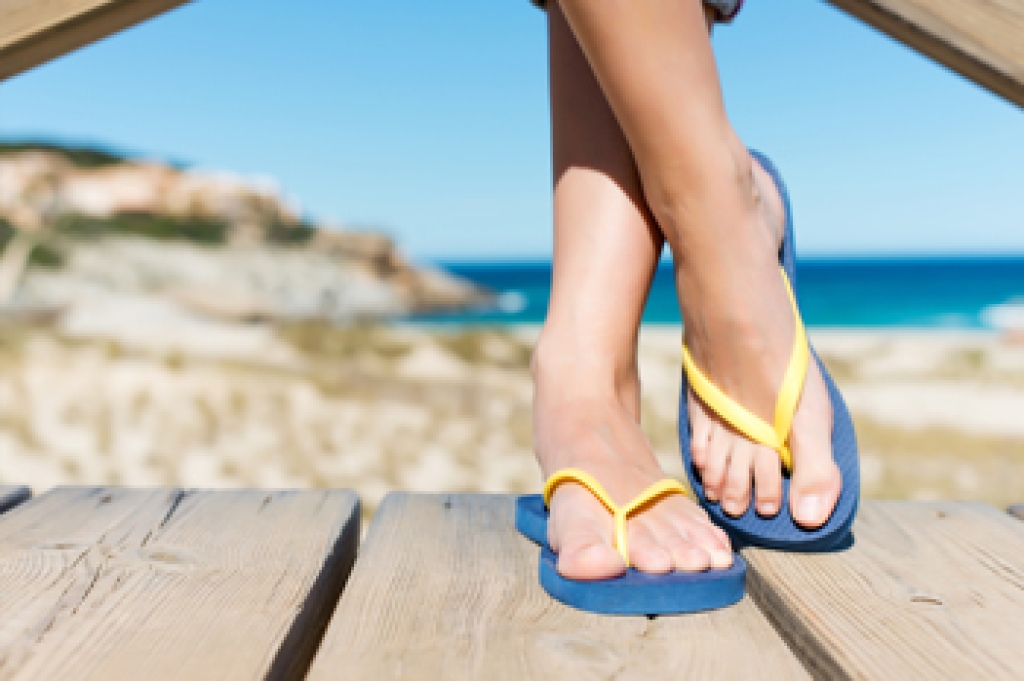
Flip-flops are a popular choice during warm weather, but wearing them for long periods may affect foot comfort and movement. Unlike supportive shoes, many flip-flops have thin, flexible soles with little cushioning or arch support. They also lack straps around the heel to hold the foot securely in place. As a result, people may change the way they walk to keep the footwear from slipping off. The toes grip the sole with each step, while the stride can become shorter. These changes may place additional stress on the muscles and other structures of the feet, especially when flip-flops are worn for extended periods.
The effects of flip-flops can depend on the design of the footwear and how they are used. Thin soles may provide limited protection from hard or uneven surfaces. Lack of support may also be uncomfortable for people who already have certain foot problems. However, not every pair of flip-flops affects the feet in the same way. Some designs have thicker soles and greater arch support, which may provide more stability than basic styles. Flip-flops can be practical for short periods, but they are generally not designed for long walks or activities that require greater foot support. Persistent foot pain after wearing them may indicate an underlying problem that needs evaluation.
A podiatrist can examine the feet and determine whether footwear may be contributing to the problem. An evaluation can include assessing the arches, walking pattern, and areas of discomfort. A podiatrist can also identify foot conditions that may require more supportive footwear and provide professional guidance based on the individual’s foot structure. Choosing footwear that fits properly and supports normal movement is an important part of maintaining foot health. If wearing flip-flops is contributing to ongoing foot pain or making walking uncomfortable, it is suggested that you consult a podiatrist for an evaluation and appropriate treatment options.
Flip-flops are not always the best choice of footwear. If you have any concerns about your feet or ankles, contact one of our podiatrists from Front Range Podiatry. Our doctors will assist you with all of your foot and ankle needs.
Flip-Flops and Feet
When the weather starts warming up, people enjoy wearing flip-flops. Flip-flops are comfortable, stylish, and easy to slip on and off; they're perfect for any summer beach goer. However, these shoes can cause harm to the feet.
How Can Flip-Flops Affect Me Long-Term?
- Ankle problems
- Hip problems
- Lower back problems
- Pain in the balls of the feet
- Problems with foot arches
- Changes in the way you walk
Are There Injuries Associated with Flip-Flops?
Yes. Since flip-flops are relatively weak and do not provide the same amount of support as sneakers, people who wear flip-flops regularly are more susceptible to injuries. On top of that, the open nature of the shoe makes your feet more prone to other problems, such as cuts and even infections. Common injuries and ailments include:
- Sprained ankles
- Blisters
- Infections
- Cuts and Scrapes
I like Wearing Flip-Flops. Are There Safe Alternatives?
When buying flip-flops, try to find ones that have sturdy soles and that are made of high-quality materials that will support for your feet. These flip-flops will cost more but will also last longer as a result.
If you have any questions, please feel free to contact our office located in Littleton, CO . We offer the newest diagnostic and treatment technologies for all your foot care needs.
