When a Sore on the Foot Won’t Heal

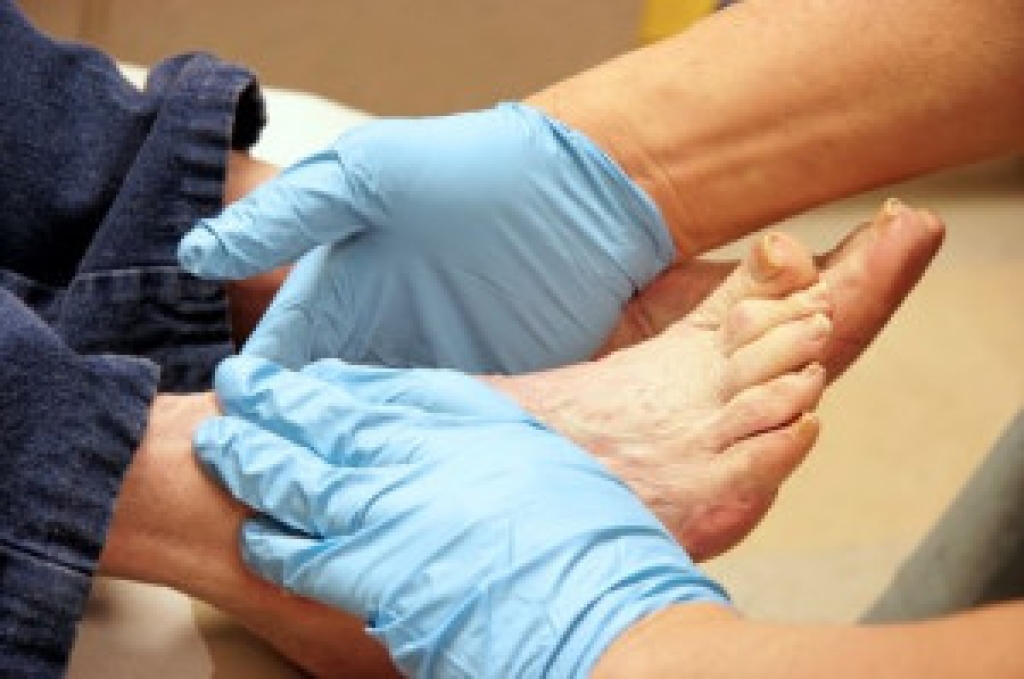
Many people with diabetes incur injuries to their feet, but because of nerve damage that causes numbness, these wounds may not be detected. Additionally, peripheral artery damage also caused by high blood sugar levels can make it more difficult for such wounds to heal in a timely fashion. This set of circumstances often results in what is known as a diabetic foot ulcer, which may take weeks or even months to heal. In that case, a podiatrist may perform a technique called debridement to scrape away any dead skin or tissue that has formed. First, the area around the wound is disinfected. Then the sore will be examined to determine its depth and severity. After removing any dead tissue, the ulcer will be washed out. Its color is important to note. If the area is red or pink it is more likely to heal. If it is bluish or purple, it is less likely to heal. After debridement is complete, the podiatrist will suggest treatment options to prevent further ulcers from developing. For more information about foot ulcers, it is suggested that you make an appointment with a podiatrist.

Wound care is an important part in dealing with diabetes. If you have diabetes and a foot wound or would like more information about wound care for diabetics, consult with one of our podiatrists from Front Range Podiatry. Our doctors will assess your condition and provide you with quality foot and ankle treatment.

What Is Wound Care?

Wound care is the practice of taking proper care of a wound. This can range from the smallest to the largest of wounds. While everyone can benefit from proper wound care, it is much more important for diabetics. Diabetics often suffer from poor blood circulation which causes wounds to heal much slower than they would in a non-diabetic. 

What Is the Importance of Wound Care?

While it may not seem apparent with small ulcers on the foot, for diabetics, any size ulcer can become infected. Diabetics often also suffer from neuropathy, or nerve loss. This means they might not even feel when they have an ulcer on their foot. If the wound becomes severely infected, amputation may be necessary. Therefore, it is of the upmost importance to properly care for any and all foot wounds.

How to Care for Wounds

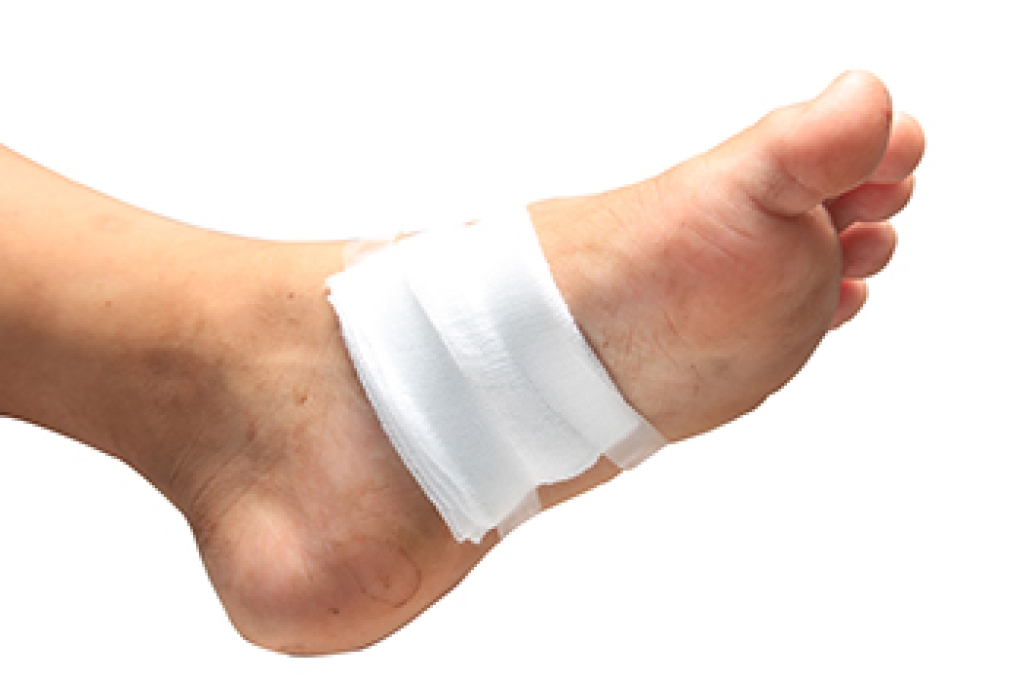
The best way to care for foot wounds is to prevent them. For diabetics, this means daily inspections of the feet for any signs of abnormalities or ulcers. It is also recommended to see a podiatrist several times a year for a foot inspection. If you do have an ulcer, run the wound under water to clear dirt from the wound; then apply antibiotic ointment to the wound and cover with a bandage. Bandages should be changed daily and keeping pressure off the wound is smart. It is advised to see a podiatrist, who can keep an eye on it.

If you have any questions please contact our office located in Littleton, CO . We offer the newest diagnostic and treatment technologies for all your foot and ankle needs.


Read more about Wound Care

Dealing With Ankle Sprains and Strains

It can be easy to confuse strains and sprains because both can cause ankle pain. An ankle sprain is the result of overstretching a ligament. This can happen to anyone, but is especially common among those involved in strenuous physical activity. A strain is the tearing of a muscle or tendon. Strains and sprains frequently occur in tandem, as the result of a sudden injury to the ankle joint. The ankle joint is a complex structure involving bones, ligaments, tendons, and muscles that work together to allow the body to move and absorb the stress of that movement. If too much weight is applied or the joint is stretched too far, injuries to any of the elements of the ankle joint can occur. Sprains and strains can range from a slight tear to a complete rupture. Treatment is dependent on the severity of the injury, as is recovery time. In most cases, healing from an ankle injury is likely to take months. If you have experienced an ankle injury, it is suggested that you make an appointment with a podiatrist for an exam, a diagnosis, and a course of treatment.

Although ankle sprains are common, they aren’t always minor injuries. If you need your ankle injury looked at, contact one of our podiatrists from Front Range Podiatry. Our doctors can provide the care you need to keep you pain-free and on your feet.

How Does an Ankle Sprain Occur?

Ankle sprains are the result of a tear in the ligaments within the ankle. These injuries may happen when you make a rapid shifting movement while your foot is planted. A less common way to sprain your ankle is when your ankle rolls inward while your foot turns outward.

What Are the Symptoms?

  • Pain at the sight of the tear
  • Bruising/Swelling
  • Ankle area is tender to touch
  • In severe cases, may hear/feel something tear
  • Skin discoloration

Preventing a Sprain

  • Wearing appropriate shoes for the occasion
  • Stretching before exercises and sports
  • Knowing your limits

Treatment of a Sprain

In many cases, the RICE method (Rest, Ice, Compression, and Elevate) is used to treat ankle sprains. However, you should see a podiatrist to see which treatment option would work best with your injury. In severe cases, surgery may be required.

It is important to ask your doctor about rehab options after you receive treatment for your injury. Stretching, strength training, and balance exercises may help the ankle heal while also preventing further injury.

If you have any questions, please feel free to contact our office located in Littleton, CO . We offer the newest diagnostic and treatment technologies for all your foot care needs.

Read more about Ankle Sprains

The Right Shoes to Wear for Arthritis

Arthritis is an inflammatory disease that causes pain in the joints. Because each foot consists of 33 joints that can become inflamed, it may be helpful to find shoes that help to provide some relief from arthritic foot pain. Experts recommend wearing a shoe with a sturdy sole, as those with a softer sole may increase the pressure on the heel with each step. It is beneficial to look for a shoe that bends only near the toes and does not fold in half when squeezed. Further, avoiding shoes with narrow or pointed-toe boxes is thought to be the best choice. In addition, shoes with removable insoles are recommended, as this can make it easier to add custom insoles if needed. These inserts can support weakened joints, improve mobility, and reduce pain. High-heeled shoes or flats are not recommended for people with arthritis. Instead, finding shoes with a slight incline from toe to heel is thought to be better. For more information on selecting footwear for arthritic feet, it is suggested that you consult a podiatrist.

Arthritis can be a difficult condition to live with. If you are seeking treatment, contact one of our podiatrists from Front Range Podiatry. Our doctors can provide the care you need to keep you pain-free and on your feet.

Arthritic Foot Care  

Arthritis is a term that is commonly used to describe joint pain.  The condition itself can occur to anyone of any age, race, or gender, and there are over 100 types of it.  Nevertheless, arthritis is more commonly found in women compared to men, and it is also more prevalent in those who are overweight. The causes of arthritis vary depending on which type of arthritis you have. Osteoarthritis for example, is often caused by injury, while rheumatoid arthritis is caused by a misdirected immune system.

Symptoms

  • Swelling
  • Pain
  • Stiffness
  • Decreased Range of Motion

Arthritic symptoms range in severity, and they may come and go. Some symptoms stay the same for several years but could potentially get worse with time. Severe cases of arthritis can prevent its sufferers from performing daily activities and make walking difficult.

Risk Factors

  • Occupation – Occupations requiring repetitive knee movements have been linked to osteoarthritis
  • Obesity – Excess weight can contribute to osteoarthritis development
  • Infection – Microbial agents can infect the joints and trigger arthritis
  • Joint Injuries – Damage to joints may lead to osteoarthritis
  • Age – Risk increases with age
  • Gender –Most types are more common in women
  • Genetics – Arthritis can be hereditary

If you suspect your arthritis is affecting your feet, it is crucial that you see a podiatrist immediately. Your doctor will be able to address your specific case and help you decide which treatment method is best for you.

If you have any questions please feel free to contact our office located in Littleton, CO . We offer the newest diagnostic tools and technology to treat your foot and ankle needs.

Read more about How to Care for Your Arthritic Foot

Foot Problems Caused by Diabetes

Diabetics are at extreme risk for a number of conditions that can affect the health of the lower extremities. Around 60 percent of diabetics develop a foot ulcer, brought about by peripheral nerve and vascular diseases. For that reason, a simple sore or slight wound on the feet can become a serious health threat. Loss of sensation in the feet and toes, caused by neuropathy, can make it difficult to notice a cut or sore. Constricted blood flow to the feet, caused by peripheral artery disease, can slow the healing process. If left unattended, even a tiny wound can become infected and turn into an open wound, or ulcer. As the untended ulcer continues to grow, tissue may die, and if left long enough can turn into gangrene. If the infection reaches the bone, loss of a limb then becomes a possibility. Diabetic foot ulcers are believed to be responsible for more hospital admissions than any other diabetes complication. The essentials to prevent this chain of events are a careful and regular routine of foot care and consistent regulation of insulin and blood sugar levels. Professional care from a podiatrist is suggested for any diabetic who struggles with such foot problems.  

Diabetic foot care is important in preventing foot ailments such as ulcers. If you are suffering from diabetes or have any other concerns about your feet, contact one of our podiatrists from Front Range Podiatry. Our doctors can provide the care you need to keep you pain-free and on your feet.

Diabetic Foot Care

Diabetes affects millions of people every year. The condition can damage blood vessels in many parts of the body, especially the feet. Because of this, taking care of your feet is essential if you have diabetes, and having a podiatrist help monitor your foot health is highly recommended.

The Importance of Caring for Your Feet

  • Routinely inspect your feet for bruises or sores.
  • Wear socks that fit your feet comfortably.
  • Wear comfortable shoes that provide adequate support.

Patients with diabetes should have their doctor monitor their blood levels, as blood sugar levels play such a huge role in diabetic care. Monitoring these levels on a regular basis is highly advised.

It is always best to inform your healthcare professional of any concerns you may have regarding your feet, especially for diabetic patients. Early treatment and routine foot examinations are keys to maintaining proper health, especially because severe complications can arise if proper treatment is not applied.

If you have any questions, please feel free to contact our office located in Littleton, CO . We offer the newest diagnostic and treatment technologies for all your foot care needs.

Read more about How to Care for Diabetic Foot

Connect With Us

scroll to top