Dealing With Claw Toe

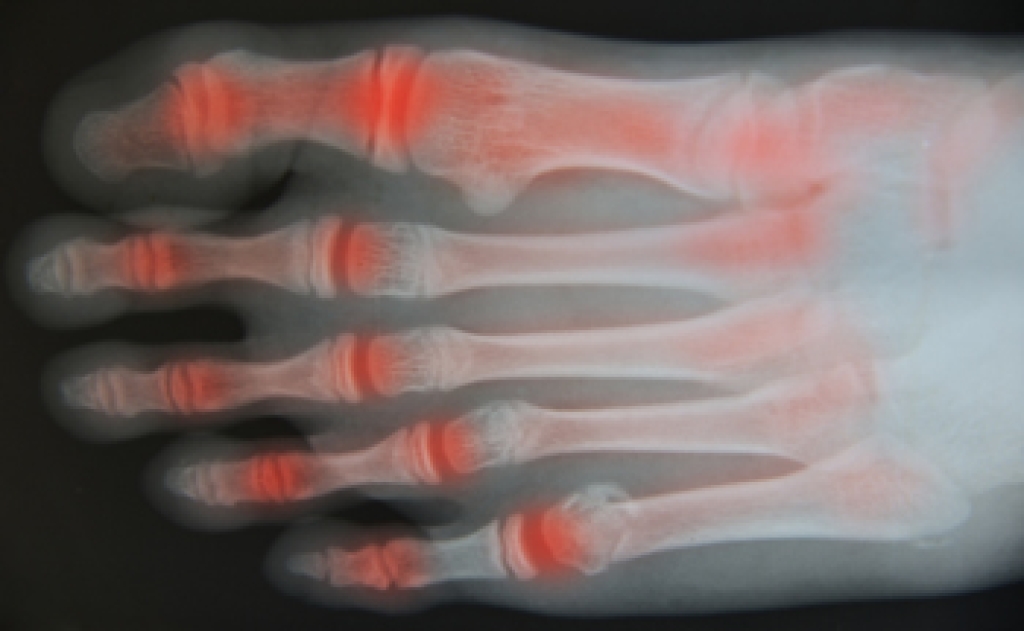
Most people are familiar with bunions, but another toe deformity that can become uncomfortable, or even painful, is claw toe. The tip of the toe curls underneath the foot, while the base of the toe rises up. This usually occurs in one or more of the smaller toes. Although claw toe can be a sign of diabetes, it may also be the result of shoe type, foot structure, or some type of trauma. Besides improperly fitting shoes or other footwear, the causes of claw toe may include ankle injuries, inflammation, or swelling of the feet. In addition, nerve damage that weakens the muscles in the feet may be a factor. Certain underlying medical conditions, including rheumatoid arthritis, cerebral palsy, and diabetes have been identified as possible factors in the development of claw toe. The risk of claw toe increases with age. If you have noticed a change in the structure of your toes or are experiencing unusual pain in the toes, it is suggested that you consult with a podiatrist who can conduct an examination, offer a diagnosis, and suggest a possible treatment plan.  

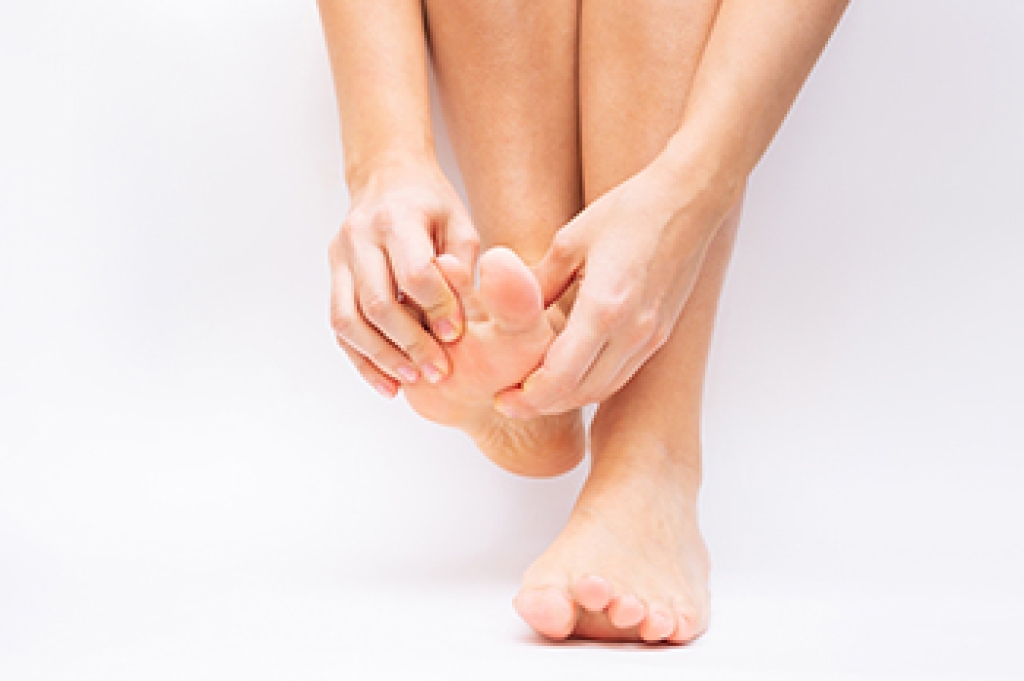
Toe pain can disrupt your daily activities. If you have any concerns, contact one of our podiatrists of Front Range Podiatry. Our doctors can provide the care you need to keep you pain-free and on your feet.

What Causes Toe Pain?

Most severe toe pain is caused due to a sports injury, trauma from dropping something heavy on the toe, or bumping into something rigid. Other problems can develop over time for various reasons.

Toe pain can be caused by one or more ailments. The most common include:

  • Trauma
  • Sports injury
  • Wearing shoes that are too tight
  • Arthritis
  • Gout
  • Corns and calluses
  • Hammertoe
  • Bunions
  • Blisters
  • Ingrown toenails
  • Sprains
  • Fractures (broken bones)
  • Dislocations

When to See a Podiatrist

  • Severe pain
  • Persistent pain that lasts more than a week
  • Signs of infection
  • Continued swelling
  • Pain that prevents walking

Diagnosis

In many cases the cause of toe pain is obvious, but in others, a podiatrist may want to use more advanced methods to determine the problem. These can range from simple visual inspections and sensation tests to X-rays and MRI scans. Prior medical history, family medical history, and any recent physical traumatic events will all be taken into consideration for a proper diagnosis.

Treatment

Treatments for toe pain and injuries vary and may include shoe inserts, padding, taping, medicines, injections, and in some cases, surgery. If you believe that you have broken a toe, please see a podiatrist as soon as possible.

If you have any questions please contact our office located in Littleton, CO . We offer the newest diagnostic and treatment technologies for all your foot and ankle needs.

Read more about Toe Pain

Causes and Treatment of Foot Blisters

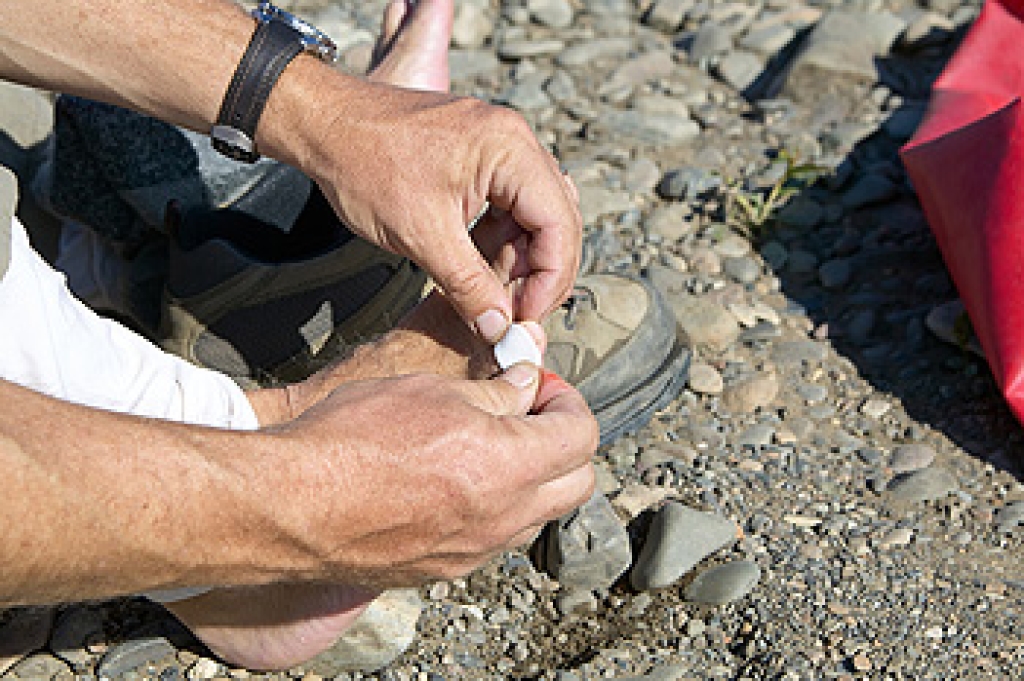
The most common cause of blisters on the foot is friction, usually between the foot and the shoe. Damage to the top skin layer can cause it to separate, leaving space for fluid to protect the underlying layers. Walking in tight shoes or wearing shoes without socks are common causes of friction blisters. They are nature’s way of protecting skin that is in danger of being damaged. Most friction blisters do not need medical attention, and if protected by a bandage, they will likely heal on their own in a few days. However, if a blister becomes infected, this may cause redness and swelling, and the blister may fill with pus or blood rather than a clear fluid. At this point, it is wise to seek medical help from a podiatrist, who can examine the blister and offer treatment options. Certain medications and protective bandages may be prescribed. It will also be beneficial to cease wearing the shoes that caused the blister to form. For further guidance, it is suggested that you consult a podiatrist.

Blisters may appear as a single bubble or in a cluster. They can cause a lot of pain and may be filled with pus, blood, or watery serum. If your feet are hurting, contact one of our podiatrists of Front Range Podiatry. Our doctors can provide the care you need to keep you pain-free and on your feet.

Foot Blisters

Foot blisters are often the result of friction. This happens due to the constant rubbing from shoes, which can lead to pain.

What Are Foot Blisters?

A foot blister is a small fluid-filled pocket that forms on the upper-most layer of the skin. Blisters are filled with clear fluid and can lead to blood drainage or pus if the area becomes infected.

Symptoms

(Blister symptoms may vary depending on what is causing them)

  • Bubble of skin filled with fluid
  • Redness
  • Moderate to severe pain
  • Itching

Prevention & Treatment

In order to prevent blisters, you should be sure to wear comfortable shoes with socks that cushion your feet and absorb sweat. Breaking a blister open may increase your chances of developing an infection. However, if your blister breaks, you should wash the area with soap and water immediately and then apply a bandage to the affected area. If your blisters cause severe pain it is important that you call your podiatrist right away.

If you have any questions, please feel free to contact our office located in Littleton, CO . We offer the newest diagnostic and treatment technologies for all your foot care needs.

Read more about Blisters

Gait Disorders in Seniors

Independent mobility is paramount to the quality of life for seniors. A senior’s gait and ability to rise comfortably from a chair, as well as walk and balance, are necessary for independent mobility. As one ages, their walking speed declines, especially after age 70. The speed of walking is known as gait velocity, which is a predictor of chronic medical conditions, hospitalizations, and even mortality. Calf muscles propel the body forward, and their strength lessens in older years. Many factors may affect the gait of older adults, including neurologic disorders like dementia, and musculoskeletal conditions, such as spinal stenosis. Seniors can participate in an exercise program that focuses on flexibility, strengthening, and balance to do what they can to maintain a good gait. If you are a senior, it is suggested that you see a podiatrist who can help you ensure the best biomechanics of the feet for a happier, healthier life.

If you have any concerns about your feet, contact one of our podiatrists from Front Range Podiatry. Our doctors can provide the care you need to keep you pain-free and on your feet.

Biomechanics in Podiatry

Podiatric biomechanics is a particular sector of specialty podiatry with licensed practitioners who are trained to diagnose and treat conditions affecting the foot, ankle and lower leg. Biomechanics deals with the forces that act against the body, causing an interference with the biological structures. It focuses on the movement of the ankle, the foot and the forces that interact with them.

A History of Biomechanics

  • Biomechanics dates back to the BC era in Egypt where evidence of professional foot care has been recorded.
  • In 1974, biomechanics gained a higher profile from the studies of Merton Root, who claimed that by changing or controlling the forces between the ankle and the foot, corrections or conditions could be implemented to gain strength and coordination in the area.

Modern technological improvements are based on past theories and therapeutic processes that provide a better understanding of podiatric concepts for biomechanics. Computers can provide accurate information about the forces and patterns of the feet and lower legs.

Understanding biomechanics of the feet can help improve and eliminate pain, stopping further stress to the foot.

If you have any questions please feel free to contact our office located in Littleton, CO . We offer the newest diagnostic and treatment technologies for all your foot and ankle needs.

Read more about Biomechanics in Podiatry

Are You Suffering From Nerve Damage?

Neuropathy is a condition that can lead to numbness or loss of sensation in the feet, but it can also cause pain. This condition is more likely to develop for those who are diabetic, obese, or with high blood pressure.

Osteoarthritis and the Feet

Osteoarthritis, or OA, is a type of arthritis that causes a gradual deterioration of the cartilage in joints. It is common in the feet, and it can lead to joint pain, stiffness, and reduced mobility. Osteoarthritis in the feet can happen from injury to the feet and chronic inflammation in a joint that results in wear and tear of the cartilage covering the joint. While there is no cure for OA, there are lifestyle changes and other options that may provide relief. Among them are low-impact exercises to build muscle and strengthen joints, maintaining a healthy body weight, and using orthotics in shoes. Surgery is also a possible treatment option for OA in the feet. Complications can arise from not treating OA, such as the development of bunions, calluses and corns, hallux rigidus, or stiffness in the big toe. If you suffer from osteoarthritis and it is causing pain in your feet or interfering with the quality of your life, it is suggested that you contact a podiatrist for a proper diagnosis and treatment options that may make you more comfortable.

Arthritis can be a difficult condition to live with. If you are seeking treatment, contact one of our podiatrists from Front Range Podiatry. Our doctors can provide the care you need to keep you pain-free and on your feet.

Arthritic Foot Care  

Arthritis is a joint disorder that involves the inflammation of different joints in your body, such as those in your feet. Arthritis is often caused by a degenerative joint disease and causes mild to severe pain in all affected areas. In addition to this, swelling and stiffness in the affected joints can also be a common symptom of arthritis.

In many cases, wearing ill-fitting shoes can worsen the effects and pain of arthritis. Wearing shoes that have a lower heel and extra room can help your feet feel more comfortable. In cases of rheumatoid arthritis, the arch in your foot may become problematic. Buying shoes with proper arch support that contour to your feet can help immensely.

Alleviating Arthritic Pain

  • Exercises that stretch the foot can prevent further pain and injury and increase mobility
  • Most of the pain can be alleviated with anti-inflammatory drugs, heat, and topical medications
  • Massages can help temporarily alleviate pain.

It is best to see your doctor for the treatment that is right for your needs and symptoms. Conditions vary, and a podiatrist can help you determine the right method of care for your feet.

If you have any questions please feel free to contact our office located in Littleton, CO . We offer the newest diagnostic tools and technology to treat your foot and ankle needs.

Read more about Arthritic Foot Care

Connect With Us

scroll to top