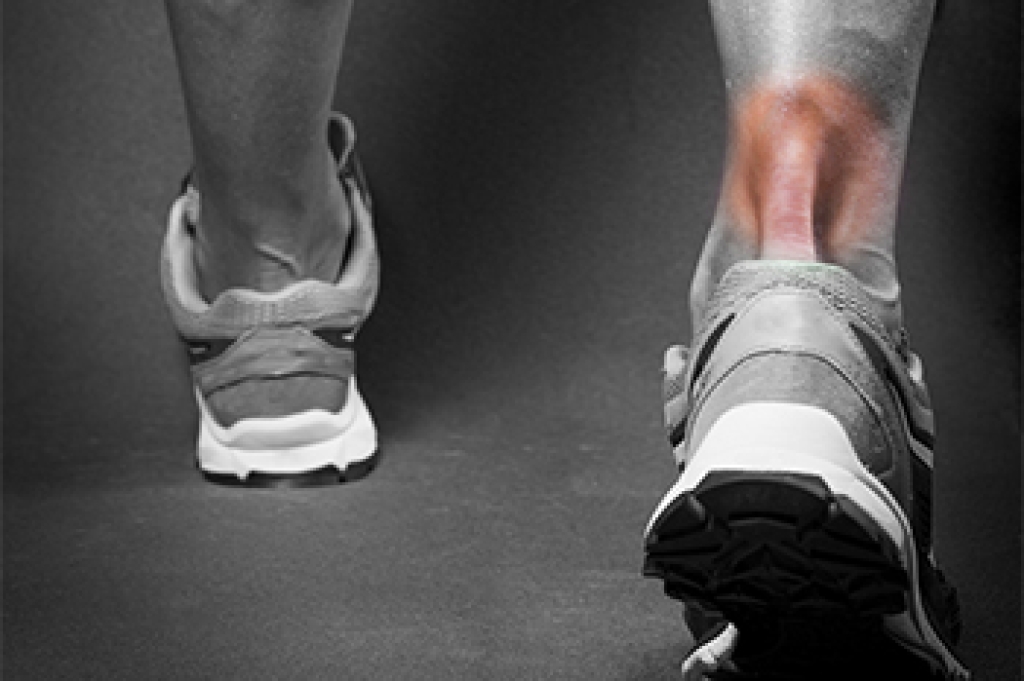
A Kick in the Heels

An Achilles tendon tear occurs when the tendon attaching the calf muscle to the heel completely tears. This injury is common and is often seen in middle-aged male sports enthusiasts. The Achilles tendon is the largest tendon in the body and can be prone to injury when sudden, explosive movement involved in running and jumping sports occurs during sports or exercise. Interestingly, taking certain antibiotics or cortisone shots can increase the likelihood of one tearing their Achilles. When this happens, one will feel a sudden pain behind the ankle. A pop or snap may be heard and one can feel like they have been kicked in the heel suddenly. It will make pointing toes down difficult and there may be swelling and bruising around the tendon. If you feel you might have torn your Achilles tendon or want more information to prevent this painful injury, consult with a podiatrist.

Achilles tendon injuries need immediate attention to avoid future complications. If you have any concerns, contact one of our podiatrists of Front Range Podiatry. Our doctors can provide the care you need to keep you pain-free and on your feet.

What Is the Achilles Tendon?

The Achilles tendon is a tendon that connects the lower leg muscles and calf to the heel of the foot. It is the strongest tendon in the human body and is essential for making movement possible. Because this tendon is such an integral part of the body, any injuries to it can create immense difficulties and should immediately be presented to a doctor.

What Are the Symptoms of an Achilles Tendon Injury?

There are various types of injuries that can affect the Achilles tendon. The two most common injuries are Achilles tendinitis and ruptures of the tendon.

Achilles Tendinitis Symptoms

  • Inflammation
  • Dull to severe pain
  • Increased blood flow to the tendon
  • Thickening of the tendon

Rupture Symptoms

  • Extreme pain and swelling in the foot
  • Total immobility

Treatment and Prevention

Achilles tendon injuries are diagnosed by a thorough physical evaluation, which can include an MRI. Treatment involves rest, physical therapy, and in some cases, surgery. However, various preventative measures can be taken to avoid these injuries, such as:

  • Thorough stretching of the tendon before and after exercise
  • Strengthening exercises like calf raises, squats, leg curls, leg extensions, leg raises, lunges, and leg presses

If you have any questions please feel free to contact our office located in Littleton, CO . We offer the newest diagnostic tools and technology to treat your foot and ankle needs.

Read more about What are Achilles Tendon Injuries

Relief Solutions for an Ingrown Toenail

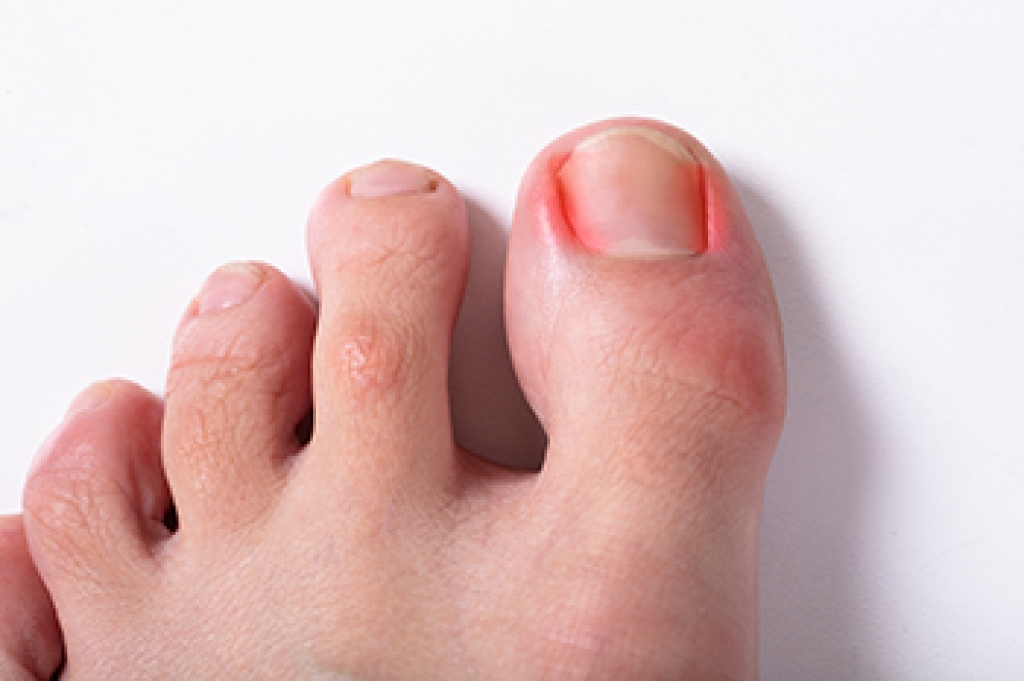
An ingrown toenail is a nail that grows into the skin instead of over it. It is a painful foot condition that generally affects the big toe. It may become infected if prompt medical treatment is not received. There are several reasons an ingrown toenail may develop. These can consist of wearing shoes or socks that are too tight, trimming the toenails incorrectly, or enduring a toe injury. It may become swollen and red, and pus may drain if it becomes infected. Some patients find relief when the affected foot is soaked in warm water, followed by gently pushing the skin away from the nail with a piece of cotton. It is also beneficial to wear shoes that are slightly larger to keep the nail away from the inside of the shoe. Ingrown toenails can be recurring so it is suggested that you visit a podiatrist for a permanent solution and this may include minor surgery for partial or full removal of the nail.

Ingrown toenails can become painful if they are not treated properly. For more information about ingrown toenails, contact one of our podiatrists of Front Range Podiatry. Our doctors can provide the care you need to keep you pain-free and on your feet.

Ingrown Toenails

Ingrown toenails occur when a toenail grows sideways into the bed of the nail, causing pain, swelling, and possibly infection.

Causes

  • Bacterial infections
  • Improper nail cutting such as cutting it too short or not straight across
  • Trauma to the toe, such as stubbing, which causes the nail to grow back irregularly
  • Ill-fitting shoes that bunch the toes too close together
  • Genetic predisposition

Prevention

Because ingrown toenails are not something found outside of shoe-wearing cultures, going barefoot as often as possible will decrease the likeliness of developing ingrown toenails. Wearing proper fitting shoes and using proper cutting techniques will also help decrease your risk of developing ingrown toenails.

Treatment

Ingrown toenails are a very treatable foot condition. In minor cases, soaking the affected area in salt or antibacterial soaps will not only help with the ingrown nail itself, but also help prevent any infections from occurring. In more severe cases, surgery is an option. In either case, speaking to your podiatrist about this condition will help you get a better understanding of specific treatment options that are right for you.

If you have any questions, please feel free to contact our office located in Littleton, CO . We offer the newest diagnostic and treatment technologies for all your foot care needs.

Read more about Ingrown Toenail Care

Children’s Ankle Braces

As a young child grows, matures, and engages in physical activities such as school sports, it is common for the child to possibly experience some kind of foot condition. Ankle complications can be common among children, particularly because overuse injuries and growth spurts can put pressure on the ankle. There are many different ways to treat ankle injuries such as sprains among children, depending on the nature and severity of the injury. One way in which a medical professional might recommend treating a child’s ankle injury is with the use of an ankle brace. For example, ankle sprains and stress fractures may be significantly supported by the use of an ankle brace of some kind. Ankle braces come in different shapes and sizes. Typically, they may look like a kind of boot or wrap. If your child is struggling with an ankle injury, talk to your podiatrist about ankle braces or other devices that may help the foot heal. Please schedule an appointment today for correct treatment options.


Making sure that your children maintain good foot health is very important as they grow. If you have any questions, contact one of our podiatrists of Front Range Podiatry. Our doctors can provide the care you need to keep you pain-free and on your feet.

Keeping Children's Feet Healthy

Having healthy feet during childhood can help prevent medical problems later in life, namely in the back and legs. As children grow, their feet require different types of care. Here are some things to consider...

Although babies do not walk yet, it is still very important to take care of their feet.

Avoid putting tight shoes or socks on his or her feet.

Allow the baby to stretch and kick his or her feet to feel comfortable.

As a toddler, kids are now on the move and begin to develop differently. At this age, toddlers are getting a feel for walking, so don’t be alarmed if your toddler is unsteady or ‘walks funny’. 

As your child gets older, it is important to teach them how to take care of their feet.

Show them proper hygiene to prevent infections such as fungus.

Be watchful for any pain or injury.

Have all injuries checked by a doctor as soon as possible.

Comfortable, protective shoes should always be worn, especially at play.

If you have any questions, please feel free to contact our office located in Littleton, CO . We offer the newest diagnostic and treatment technologies for all your foot care needs.

Read more about What to Do to Keep Your Child’s Feet Healthy

What Is the Subtalar Joint?

Many individuals who are serious about taking care of their feet will also take the necessary steps to learn about the biomechanics of the feet. Knowing more about how the foot functions can help us to better protect the feet. For example, the subtalar joint is something important to be aware of because it serves important functions. The subtalar joint is formed between two very important bones, the talus, and calcaneus. The subtalar joint, as a unit, is composed of both posterior and anterior joints. This joint is responsible for many different kinds of movements. For example, the subtalar joint facilitates, in large part, both supination and pronation. Therefore, the importance of taking care of the subtalar joint can not be overstated. Contact a podiatrist today if you are interested in learning more about foot biomechanics. 

If you have any concerns about your feet, contact one of our podiatrists from Front Range Podiatry. Our doctors can provide the care you need to keep you pain-free and on your feet.

Biomechanics in Podiatry

Podiatric biomechanics is a particular sector of specialty podiatry with licensed practitioners who are trained to diagnose and treat conditions affecting the foot, ankle and lower leg. Biomechanics deals with the forces that act against the body, causing an interference with the biological structures. It focuses on the movement of the ankle, the foot and the forces that interact with them.

A History of Biomechanics

  • Biomechanics dates back to the BC era in Egypt where evidence of professional foot care has been recorded.
  • In 1974, biomechanics gained a higher profile from the studies of Merton Root, who claimed that by changing or controlling the forces between the ankle and the foot, corrections or conditions could be implemented to gain strength and coordination in the area.

Modern technological improvements are based on past theories and therapeutic processes that provide a better understanding of podiatric concepts for biomechanics. Computers can provide accurate information about the forces and patterns of the feet and lower legs.

Understanding biomechanics of the feet can help improve and eliminate pain, stopping further stress to the foot.

If you have any questions please feel free to contact our office located in Littleton, CO . We offer the newest diagnostic and treatment technologies for all your foot and ankle needs.

Read more about The Importance of Biomechanics in Podiatry

Keep Your Feet Healthy So You Can Stay Active

Have your feet inspected by a professional before starting a new sport or physical activity. Taking charge of your foot health will keep you in good physical condition and can help you avoid a potential injury, such as a fracture or sprained ankle.

Prevent injuries and see a foot specialist.

Connect With Us

scroll to top